Chronic pain is one of the most widespread health challenges affecting adults today. According to recent studies, over 50 million Americans experience persistent pain, whether due to injuries, degenerative diseases, nerve damage, or inflammation. This kind of ongoing discomfort can significantly impact daily life, limiting mobility, productivity, and overall well-being. Traditional approaches to pain management, such as prescription medications or invasive surgical procedures, often provide temporary relief without addressing the root cause of the pain. Many patients find themselves trapped in a cycle of symptom management, struggling to regain a full, active lifestyle.
Fortunately, advances in regenerative medicine have introduced new options for individuals seeking long-lasting, non-invasive pain relief. One of the most innovative treatments available today is SoftWave TRT Therapy, a technology designed to stimulate the body’s natural healing processes at the cellular level. By targeting underlying causes of pain rather than simply masking symptoms, SoftWave therapy offers hope to patients who desire drug-free, natural recovery.
Pain Relief · North Charleston
Text yourself the answer: what we would look at, what it costs, and this week’s openings. One tap, and the message is already written for you.
★ Your first 15 minutes are free
Prefer to talk? Call 843-604-2276

Scan it with your phone camera
The message is already written. Send it and we reply with the details.
On your phone right now? Call 843-604-2276
Regenerative medicine is transforming healthcare by focusing on the repair, replacement, and regeneration of damaged tissues and cells. Unlike traditional treatments that often target only symptoms, regenerative approaches aim to address the root cause of dysfunction and restore the body’s natural ability to heal. Through innovative therapies such as SoftWave TRT, stem cell treatments, and platelet-rich plasma (PRP), patients can experience improved tissue repair, reduced inflammation, and enhanced cellular function. This approach promotes long-term healing and functional recovery, offering a safe, non-invasive, and effective alternative to conventional symptom-focused treatments for chronic pain and injury.
In the context of chronic pain, regenerative medicine utilizes techniques such as stem cell therapy, platelet-rich plasma (PRP), and shockwave therapy to address the source of discomfort. These treatments are designed to:
Stimulate tissue repair and cellular regeneration
Reduce chronic inflammation
Enhance blood flow and oxygen delivery to damaged areas
Promote nerve repair and improved mobility
SoftWave TRT Therapy stands out as one of the most effective regenerative approaches because it combines non-invasive technology with targeted cellular stimulation. Patients no longer need to rely solely on pain medications or consider surgery as their only options. Instead, they can experience a natural healing process that addresses the root of their condition.
SoftWave TRT (Therapeutic Regenerative Technology) Therapy is a modern form of extracorporeal shockwave treatment that has been clinically studied for its ability to promote tissue regeneration. By using high-energy acoustic sound waves, SoftWave therapy stimulates cellular repair mechanisms throughout the body. This makes it ideal for patients suffering from chronic musculoskeletal disorders, nerve damage, sports injuries, and degenerative joint conditions.
Unlike traditional treatments that primarily mask pain symptoms with medication, SoftWave therapy encourages the body to heal itself naturally. The therapy is considered safe, non-invasive, and comfortable, offering a drug-free alternative that supports long-term recovery.
At Charleston Pain Relief Center, patients can access this innovative therapy as part of a comprehensive pain management program that emphasizes cellular repair, reduced inflammation, and improved mobility.
SoftWave therapy works by sending focused acoustic sound waves directly into affected tissues. These waves penetrate deeply into muscles, tendons, ligaments, and nerves, triggering a series of biological responses that encourage natural healing. By stimulating cellular regeneration, improving blood flow, and reducing inflammation, SoftWave therapy helps repair damaged tissue at its source rather than simply masking pain. This non-invasive treatment also promotes collagen production, supports nerve repair, and enhances overall tissue function. Patients benefit from faster recovery, reduced discomfort, and improved mobility, making SoftWave therapy a safe and effective alternative to traditional pain management methods.
The acoustic pulses from SoftWave therapy trigger cellular signaling pathways that activate growth factors responsible for tissue repair. These signals encourage collagen production, which is essential for maintaining the strength and flexibility of connective tissues such as tendons, ligaments, and joint cartilage. Over time, this process supports structural repair and reduces pain caused by tissue damage or degeneration.
SoftWave therapy promotes angiogenesis, the formation of new blood vessels. Enhanced circulation allows oxygen and nutrients to reach damaged areas more effectively, accelerating recovery and improving tissue health. Poor circulation is often a major contributor to slow healing and chronic pain, making this benefit particularly important.
Inflammation is a leading cause of long-term pain and stiffness. SoftWave therapy helps reduce inflammatory markers in the body while stimulating the immune system’s natural healing processes. By controlling inflammation, patients often experience decreased swelling, stiffness, and discomfort.
For patients suffering from neuropathic pain, SoftWave therapy can promote nerve regeneration. By stimulating nerve repair pathways, it reduces symptoms such as numbness, tingling, or burning sensations, supporting improved nerve function over time.
SoftWave therapy is an extremely versatile treatment that addresses a variety of conditions affecting muscles, joints, and nerves. It is particularly effective for chronic pain, arthritis, sports injuries, neuropathy, plantar fasciitis, and post-surgical recovery. By stimulating tissue repair, promoting nerve regeneration, and improving blood circulation, SoftWave therapy targets the underlying causes of discomfort rather than just alleviating symptoms. Patients often experience reduced inflammation, faster healing, and improved mobility, making it suitable for both active individuals and those with long-term degenerative conditions. Its non-invasive, drug-free approach provides a safe and reliable alternative to traditional pain management methods.
Arthritis leads to joint inflammation, cartilage deterioration, and chronic pain. SoftWave therapy helps by:
Improving joint circulation
Stimulating cartilage and tissue repair
Reducing inflammation naturally
Patients often experience enhanced mobility and reduced dependence on medications after therapy.
Athletes and active individuals can benefit from SoftWave therapy for:
Muscle tears
Tendon injuries
Ligament strains
By accelerating tissue healing and reducing inflammation, SoftWave therapy allows faster return to training and competition with improved performance.
Spinal discomfort caused by poor posture, injury, or degenerative disc disease can benefit from regenerative therapy. SoftWave therapy reduces inflammation and stimulates tissue repair around spinal structures, resulting in better mobility and decreased pain without surgery.
Peripheral nerve damage often causes numbness, tingling, or burning sensations. SoftWave therapy:
Stimulates nerve repair
Improves blood flow
Supports cellular regeneration
This leads to reduced neuropathic pain and improved nerve function over time.
Heel pain caused by tissue inflammation can be alleviated with SoftWave therapy. Benefits include:
Reduced swelling and discomfort
Enhanced tissue regeneration
Faster healing compared to traditional symptom-focused treatments
SoftWave therapy can accelerate healing after surgery by improving blood flow, stimulating tissue repair, and reducing post-operative pain and swelling. Patients often regain mobility faster and experience smoother rehabilitation.
SoftWave therapy offers numerous advantages compared to traditional pain management methods. Unlike medications that only mask pain, it targets the root cause by stimulating natural tissue repair and cellular regeneration. The treatment is non-invasive, avoiding surgical risks and lengthy recovery periods. Patients benefit from drug-free pain relief, reducing reliance on medications and minimizing side effects. Most sessions allow individuals to resume daily activities immediately, making it convenient for busy lifestyles. By improving circulation, reducing inflammation, and supporting long-term healing, SoftWave therapy provides a safe, effective, and sustainable solution for chronic pain management.
Patients avoid surgical risks, including infection, complications, and long recovery periods. SoftWave therapy supports natural healing without invasive procedures.
SoftWave therapy reduces reliance on pain medications by promoting natural tissue repair and inflammation reduction. This minimizes risks of medication side effects or dependency.
Side effects are typically mild and may include temporary soreness. Most symptoms resolve within 24–48 hours, allowing patients to resume normal activities immediately.
Most patients can continue their daily routines right after treatment, making it ideal for busy individuals.
By addressing the root causes of pain, SoftWave therapy provides sustainable relief and improved mobility, rather than temporary symptom masking.
Patients begin with a comprehensive review of:
Medical history
Pain symptoms
Lifestyle and activity levels
This ensures personalized treatment plans tailored to each patient’s condition.
Patients remain fully clothed
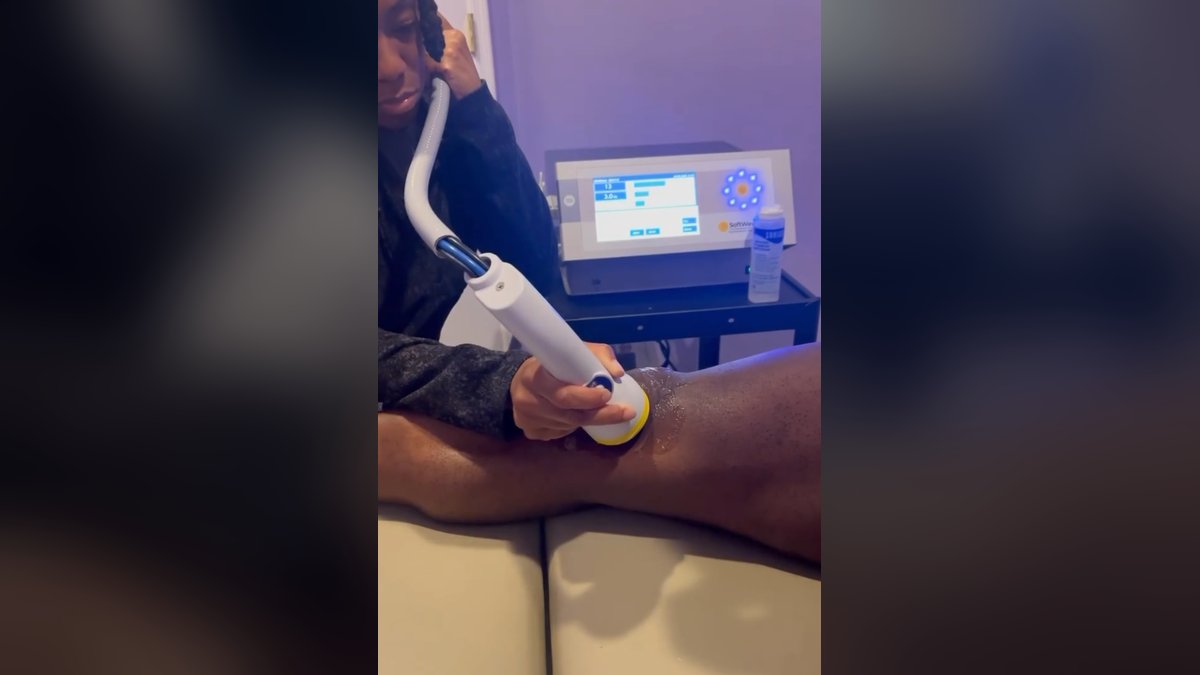
A handheld device delivers acoustic energy pulses
Sessions typically last 10–20 minutes
Treatment is generally painless or mildly uncomfortable
Patients can resume normal activities immediately
Mild soreness may occur as the body begins healing
Frequency and duration depend on the severity of the condition:
Mild pain: 3–5 sessions
Moderate chronic pain: 6–8 sessions
Severe degenerative conditions: 8–12 sessions
To maximize therapy benefits, patients are encouraged to:
Maintain balanced nutrition for cellular repair
Stay physically active with gentle exercises
Manage body weight and metabolic health
Control blood sugar and inflammation
These lifestyle adjustments enhance healing outcomes and support long-term pain relief.
Clinical studies demonstrate that shockwave-based regenerative therapy:
Stimulates tissue repair and collagen production
Promotes nerve regeneration
Reduces chronic pain symptoms
Improves muscle, tendon, and joint function
Patient testimonials often report:
Reduced reliance on pain medications
Increased mobility and flexibility
Faster recovery from injuries
Improved sleep and daily activity levels
Individual results may vary depending on condition severity and consistency of treatment.
Is SoftWave therapy painful?
Patients generally experience mild pressure sensations.
How soon will I feel relief?
Some notice improvement after one session, while long-term healing requires multiple treatments.
Is SoftWave therapy safe?
Yes, it is clinically tested, non-invasive, and suitable for most adults.
Will insurance cover treatment?
Coverage depends on the patient’s insurance plan.
Who should avoid SoftWave therapy?
Patients who are pregnant, have active infections, severe circulation disorders, or are undergoing cancer treatments should consult their healthcare provider before therapy.
SoftWave TRT Therapy is a revolutionary, non-invasive approach to pain management that supports the body’s natural healing processes. By focusing on cellular repair, inflammation reduction, and improved mobility, it provides a safe and effective alternative to surgery and long-term medication.
At Charleston Pain Relief Center, patients receive personalized care and advanced regenerative therapy designed to restore function, reduce discomfort, and improve quality of life.
If you are struggling with chronic pain or slow recovery from injuries, SoftWave therapy may be the solution you’ve been searching for. Take the first step toward natural healing and long-term wellness today.
Contact Charleston Pain Relief Center:
📍 2294 Otranto Road, North Charleston, SC 29406, USA
📞 (843) 604-2276
🌐 https://charlestonpainreliefcenter.com
📧 InfoLineCPRC@gmail.com