
Chronic pain, tissue damage, and musculoskeletal injuries rank among the most widespread health challenges worldwide, affecting millions of people and significantly impacting daily life. Conditions such as degenerative arthritis, tendon injuries, ligament tears, and lingering damage from accidents or repetitive strain often lead to persistent discomfort, reduced mobility, and a diminished quality of life. Traditional treatment options, including painkillers, anti-inflammatory medications, and steroid injections, may temporarily alleviate symptoms, but they rarely address the underlying cause of the problem. Surgical interventions can sometimes restore function, yet they are invasive, involve significant recovery periods, and do not always guarantee complete healing.
Regenerative therapy offers a groundbreaking alternative. By harnessing the body’s natural healing mechanisms, these advanced medical treatments focus on supporting the repair of damaged tissues rather than merely masking pain. Using biologic substances such as stem cells, platelet-rich plasma (PRP) and peptides, regenerative therapy stimulates tissue repair, reduces inflammation, and restores function. This approach not only relieves pain but also improves mobility, strength, and overall quality of life. Increasingly, regenerative therapy is redefining how musculoskeletal injuries, chronic pain, and sports-related conditions are treated, providing patients with effective, long-lasting solutions without the risks of surgery or prolonged medication use.
Pain Relief · North Charleston
Get your pain relief plan by text
One tap sends us a text that is already written for you. We reply with what we would look at, what it costs, and this week’s openings.
★ Your 15-minute consult is free
New patients. Medicare & Medicaid rules apply.
Prefer to talk? Call 843-604-2276

Scan it with your phone camera
The message is already written. Send it and we reply with the details.
On your phone right now? Call 843-604-2276
What Is Regenerative Therapy?
Regenerative therapy, sometimes called regenerative medicine, is a medical approach that uses biologic substances — including stem cells, platelet-rich plasma (PRP) and peptides — to stimulate the body’s natural healing processes. Unlike traditional treatments that focus solely on pain relief, regenerative therapy aims to repair, regenerate, and restore damaged tissues, improving both structure and function.
Tissue repair is a complex process. When an injury occurs, the body mobilizes stem cells, platelets, and growth factors to the damaged site. However, in cases of chronic conditions, aging, or severe injuries, the body’s natural repair mechanisms can be insufficient. Regenerative therapy amplifies these processes, promoting healing that goes beyond temporary symptom management.
History and Evolution
The concept of regenerative medicine has evolved over several decades. Early research primarily focused on tissue grafting and stem cell transplantation, laying the foundation for modern therapies. As biotechnology, molecular biology, and medical imaging advanced, clinicians gained the ability to deliver biologic treatments with precision directly to injured tissues. Today, regenerative therapy encompasses a wide spectrum of approaches, ranging from platelet-rich plasma (PRP) injections for tendon and ligament injuries to stem-cell-based care for worn joints. These innovations have expanded the possibilities for natural tissue healing and long-term pain relief.
How Regenerative Therapy Works
The principle behind regenerative therapy is straightforward: enhance the body’s natural healing capabilities. Yet, the biological processes it triggers are complex and remarkable.
When tissues are damaged — whether due to injury, inflammation, or degenerative disease — the body attempts to heal them. Chronic or severe injuries, however, may overwhelm this natural repair system. Regenerative therapy provides the components that the body needs to restore function:
Stem cells: Undifferentiated cells capable of transforming into the specific tissue types needed for repair.
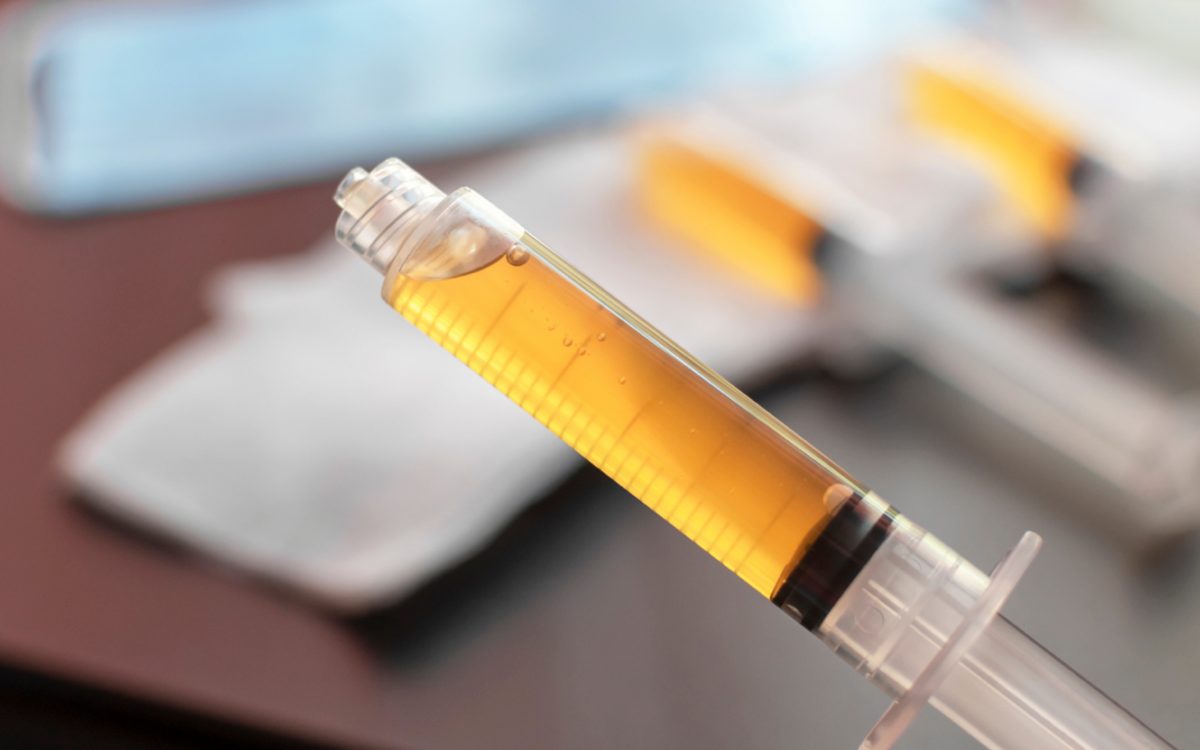
Platelet-rich plasma (PRP): Concentrated platelets from your own blood containing growth factors that accelerate tissue regeneration.
Peptides and orthobiologics: Biologic molecules that promote cell signaling and healing.
These biologics are typically delivered via targeted injections directly into the affected area — whether it’s a joint, tendon, ligament, or muscle — to stimulate tissue repair and reduce inflammation.
Types of Regenerative Therapies
1. Platelet-Rich Plasma (PRP) Therapy
PRP therapy uses a patient’s own blood, which is processed to concentrate platelets and growth factors. When injected into injured tissue, PRP accelerates healing, reduces inflammation, and can improve tissue quality over time. PRP has been widely used for:
Tennis elbow
Tendonitis
Osteoarthritis
Ligament injuries
Clinical studies show that PRP can reduce pain, improve mobility, and even delay or avoid surgical intervention in many patients.
2. Stem Cell Therapy
Stem cells are the foundation of regenerative medicine. Harvested from a patient’s bone marrow or adipose tissue, these cells can differentiate into cartilage, ligament, tendon, or muscle cells. Stem cell therapy is commonly used for:
Knee cartilage repair
Spinal disc injuries
Rotator cuff injuries
Osteoarthritis
Unlike traditional injections that temporarily reduce pain, stem cells address the underlying tissue damage, promoting long-term improvement.
3. Peptides and Orthobiologic Injections
Peptides such as BPC-157 and TB-500 are naturally occurring sequences of amino acids that enhance tissue repair. Orthobiologic compounds, like alpha-2-macroglobulin (A2M), inhibit destructive enzymes and support healing in degenerative joints. These treatments are often used in combination with PRP or stem cells to enhance outcomes.
5. Combination Protocols
Many advanced clinics, including the Charleston Pain Relief Center, offer personalized combination treatments, blending PRP, stem cells and peptides to optimize healing for each patient’s unique condition.
Benefits of Regenerative Therapy
Regenerative therapy provides numerous benefits compared to traditional treatments. By stimulating the body’s natural healing processes, it promotes long-term tissue repair, reduces pain, improves mobility and function, minimizes reliance on medications, and avoids invasive surgery. This holistic approach addresses the root cause of injury rather than merely masking symptoms.
Natural Healing Activation – Stimulates the body’s own repair mechanisms.
Minimally Invasive – Most treatments are delivered via injection, avoiding surgery and anesthesia.
Reduced Medication Dependency – Patients can often reduce or eliminate long-term pain medications.
Improved Function and Mobility – Restored tissue integrity leads to better joint movement and strength.
Long-Term Relief – Unlike steroid injections or painkillers, regenerative therapies target the root cause for durable results.
Personalized Care – Treatment plans are tailored to each patient’s condition, goals, and biology.
Conditions Commonly Treated
Regenerative therapies can successfully treat a broad spectrum of conditions, including arthritis, tendon and ligament injuries, muscle tears, chronic inflammation, and joint degeneration. By targeting the underlying tissue damage, these treatments promote natural healing, restore function, reduce pain, and help patients regain mobility, strength, and overall quality of life.
Arthritis and joint degeneration
Ligament, tendon, and muscle injuries
Back and neck pain
Cartilage damage
Sports injuries
Chronic inflammation
Failed healing after surgery
By addressing the underlying tissue damage, regenerative therapy offers patients an opportunity for real recovery, not just temporary symptom relief.
The Patient Journey: Step by Step
Step 1: Comprehensive Evaluation
Every patient starts with a comprehensive consultation, during which their medical history is reviewed, imaging studies are analyzed, and a thorough physical examination is performed. This process helps clinicians accurately assess the extent of tissue damage, understand the patient’s needs, and develop a personalized regenerative therapy plan for optimal healing.
Step 2: Personalized Treatment Plan
Based on the patient’s condition and individual goals, clinicians create a personalized treatment plan. This plan may combine platelet-rich plasma (PRP), stem cells and peptides to optimize healing, reduce pain, and restore function, ensuring that each patient receives the most effective regenerative care for their specific needs.
Step 3: Procedure
The biologic material, such as PRP or harvested stem cells, is carefully prepared and then precisely injected into the targeted area of injury. Most regenerative therapy procedures are performed on an outpatient basis, are minimally invasive, and involve little discomfort, allowing patients to begin healing quickly with minimal downtime.
Step 4: Recovery and Monitoring
After treatment, patients are closely monitored to track progress and ensure optimal results. While most individuals can resume light daily activities within a few days, complete tissue healing and full functional recovery may take several weeks to months, depending on the severity of the injury and the type of regenerative therapy used.
Step 5: Follow-up
Regular follow-up appointments allow clinicians to monitor the patient’s healing progress, make any necessary adjustments to the treatment plan, and ensure that the results of regenerative therapy are optimized. This ongoing care helps maximize tissue repair, reduce the risk of complications, and support long-term pain relief and improved function.
Case Studies and Success Stories
Knee Osteoarthritis: A 62-year-old patient with moderate knee osteoarthritis avoided knee replacement after a series of PRP injections. Pain levels decreased by 70%, and mobility improved significantly within 3 months.
Rotator Cuff Injury: A professional athlete returned to play 8 weeks after stem cell therapy combined with PRP, avoiding surgery and reducing downtime.
Chronic Tendonitis: Multiple patients with tennis elbow reported substantial pain reduction and restored grip strength after PRP and peptide therapy.
These examples highlight the real-world impact regenerative therapies can have on daily life and athletic performance.
Safety and Considerations
Regenerative therapies are generally safe, especially when using concentrated materials (from the patient’s own body). Risks are minimal, including:
Temporary soreness or swelling at the injection site
Mild bruising
Rare allergic reactions (with non-concentrated biologics)
A thorough medical evaluation ensures that each patient receives treatments appropriate for their condition, minimizing risks while maximizing benefits.
The Future of Regenerative Medicine
The field of regenerative medicine is advancing at an unprecedented pace. New research and technological breakthroughs are expanding its potential, from gene-enhanced biologics to new regenerative options. These innovations promise more effective tissue repair, faster healing, and long-term relief for patients with chronic injuries, joint degeneration, and musculoskeletal conditions.
Gene-Enhanced Biologics – Techniques to modify stem cells to produce stronger or more targeted healing responses.
Advanced Orthobiologics – Combining growth factors, peptides, and anti-inflammatory molecules in precise protocols.
Regenerative Anti-Aging Applications – Tissue restoration for joints, skin, and organs to slow age-related degeneration.
With ongoing research and clinical trials, regenerative therapies are poised to become a standard in pain management and tissue repair.
Frequently Asked Questions (FAQs)
How soon will I feel improvement?
Many patients notice relief within 2–6 weeks, with continued improvement over several months as tissue repair progresses.Does the procedure hurt?
Most procedures use local anesthesia or numbing techniques. Patients report minimal discomfort.Who is a candidate?
Candidates include adults with degenerative, inflammatory, or traumatic tissue injuries. A medical evaluation determines suitability.Are results permanent?
While regenerative therapy promotes long-term healing, results may vary depending on age, health, and condition severity.Is regenerative therapy covered by insurance?
Coverage varies; many treatments are considered elective. Financing options may be available.Can regenerative therapy replace surgery?
In many cases, it can reduce or delay the need for surgery by repairing tissue and improving function.Is it safe for seniors?
Yes. Older adults often benefit significantly from regenerative therapies, as these procedures stimulate natural healing that slows with age.Are there restrictions after treatment?
Patients are typically advised to avoid heavy activity for a short period while tissue heals, but normal daily activities can often continue.
Conclusion
Regenerative therapy is revolutionizing the way we treat tissue damage and manage chronic pain. Unlike traditional approaches that often focus on masking symptoms, these advanced treatments work by stimulating the body’s own natural healing processes, promoting real and lasting recovery. Patients can experience long-term pain relief, as damaged tissues are repaired rather than merely suppressed. Additionally, regenerative therapy supports enhanced tissue regeneration, helping tendons, ligaments, muscles, and cartilage recover their strength and integrity.
Improved mobility and function are common outcomes, allowing individuals to return to daily activities, exercise, and sports with greater ease. Because the therapies target the underlying cause of pain, patients often see a reduced reliance on medications, minimizing side effects and dependency. Furthermore, most regenerative procedures are minimally invasive, performed via targeted injections with little downtime. For those facing chronic pain, sports injuries, or degenerative conditions, regenerative therapy offers a true, long-lasting solution instead of a temporary fix.
Take the First Step Toward Healing
📍 Address
Charleston Pain Relief Center
2294 Otranto Road
North Charleston, SC 29406
United States
📞 Free Phone Consultation Hotline: (843) 604‑2276
📧 Email: InfoLineCPRC@gmail.com
🌐 Website: https://charlestonpainreliefcenter.com
Contact Charleston Pain Relief Center today and start your journey to natural tissue repair, pain relief, and restored function.