Pain Relief · North Charleston
One tap sends us a text that is already written for you. We reply with what we would look at, what it costs, and this week’s openings.
★ Your 15-minute consult is free
New patients. Medicare & Medicaid rules apply.
Prefer to talk? Call 843-604-2276

Scan it with your phone camera
The message is already written. Send it and we reply with the details.
On your phone right now? Call 843-604-2276
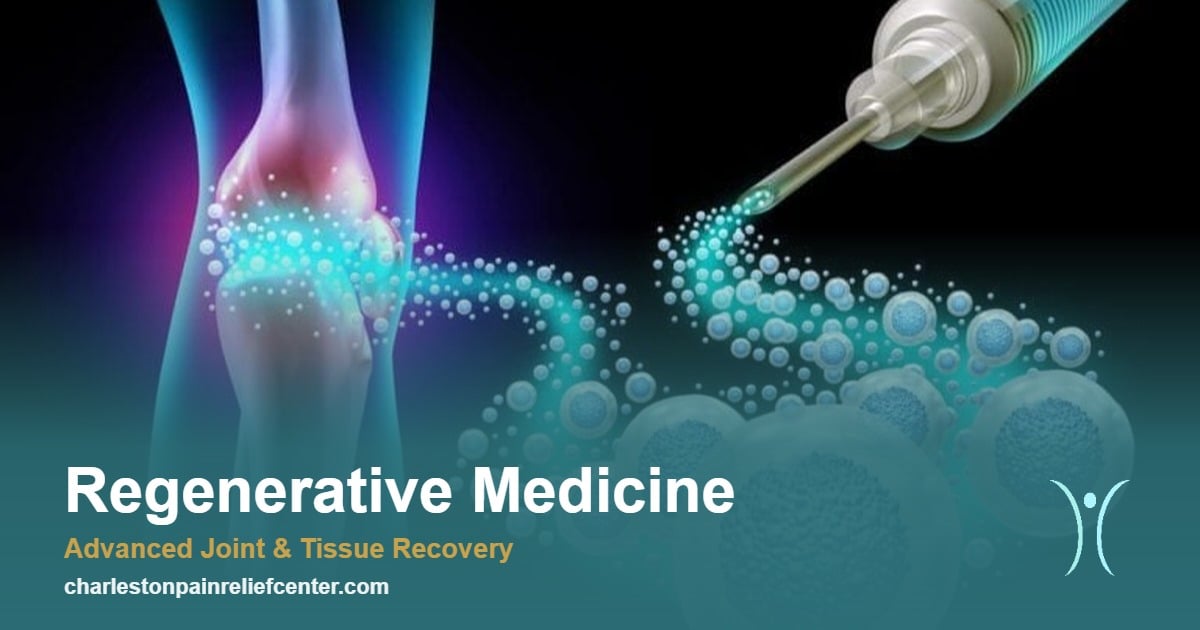 Regenerative therapies have revolutionized the way we approach chronic pain, joint injuries, and musculoskeletal conditions. These advanced treatments, which include platelet-rich plasma (PRP), stem cell therapy, and prolotherapy, focus on stimulating the body’s natural healing processes. While regenerative therapies alone can provide significant relief, research and clinical experience suggest that lifestyle changes can amplify their effectiveness, promote faster recovery, and improve long-term outcomes.
In this blog, we will explore the key lifestyle factors that can enhance regenerative therapies, including nutrition, exercise, sleep, stress management, and overall wellness strategies. We will also answer common questions and provide actionable steps to integrate these changes into your daily life.
Before diving into lifestyle modifications, it is important to understand what regenerative therapies are and how they work.
Regenerative therapies aim to repair damaged tissues, reduce inflammation, and restore function by using the body’s own healing mechanisms. Some of the most commonly used therapies at Charleston Pain Relief Center include:
Platelet-Rich Plasma (PRP) Therapy: Uses concentrated platelets from your blood to promote healing in injured tissues.
Stem Cell Therapy: Utilizes stem cells harvested from your own body to regenerate damaged tissues, including cartilage, tendons, and ligaments.
Prolotherapy: Involves injecting an irritant solution into injured ligaments or tendons to stimulate tissue repair.
While these therapies are effective, their outcomes are greatly influenced by the patient’s overall health and lifestyle habits. Implementing positive changes can maximize healing, reduce inflammation, and prevent future injury.
Nutrition plays a critical role in tissue repair and inflammation management. Certain foods and supplements can support cellular regeneration and enhance the effects of regenerative therapies.
1. Anti-Inflammatory Foods
Inflammation can slow down the healing process. Including anti-inflammatory foods can accelerate recovery. Key foods include:
Fatty fish (salmon, mackerel, sardines) – rich in omega-3 fatty acids.
Leafy greens (spinach, kale) – packed with antioxidants.
Berries (blueberries, strawberries) – reduce oxidative stress.
Turmeric and ginger – natural anti-inflammatory compounds.
2. Protein for Tissue Repair
Protein is essential for tissue repair. Sources include:
Lean meats like chicken and turkey
Eggs and dairy products
Plant-based proteins like lentils, chickpeas, and quinoa
3. Hydration
Proper hydration ensures nutrients are transported efficiently to injured tissues and helps flush out toxins. Aim for at least 8-10 glasses of water per day.
Engaging in targeted exercise is essential for supporting regenerative therapies. Physical activity increases blood flow, which delivers nutrients and oxygen to healing tissues.
1. Low-Impact Exercises
Low-impact activities such as swimming, walking, and cycling can improve circulation without stressing joints.
2. Physical Therapy
Guided physical therapy tailored to your injury ensures safe and effective rehabilitation while enhancing the results of regenerative treatments.
3. Stretching and Mobility
Regular stretching improves flexibility, reduces stiffness, and promotes faster tissue repair.
Sleep is a critical component of the body’s natural healing process. During deep sleep, the body produces growth hormone, which is essential for tissue regeneration.
Maintain a consistent sleep schedule
Create a calm and dark sleeping environment
Avoid electronics at least one hour before bed
Practice relaxation techniques like deep breathing or meditation
Chronic stress can hinder healing by increasing inflammation and suppressing the immune system. Managing stress is key to maximizing regenerative therapy results.
Mindfulness meditation
Yoga or tai chi
Journaling and gratitude practices
Spending time in nature
1. Avoid Smoking and Excessive Alcohol
Both smoking and heavy alcohol consumption impair tissue repair and increase inflammation. Quitting smoking and limiting alcohol can significantly enhance treatment outcomes.
2. Weight Management
Maintaining a healthy weight reduces stress on joints and injured areas, helping regenerative therapies work more effectively.
3. Regular Medical Checkups
Monitoring your overall health ensures that conditions such as diabetes or cardiovascular issues do not impede the healing process.
Q1: Can lifestyle changes really affect the outcome of regenerative therapies?
A: Yes! Diet, exercise, sleep, and stress management can all influence healing speed and tissue regeneration.
Q2: How long before I see results if I follow these lifestyle changes?
A: Results vary based on individual health and the therapy used, but many patients notice improvements within weeks when combining therapies with lifestyle adjustments.
Q3: Do I need to follow a strict diet?
A: Not necessarily. Focus on incorporating anti-inflammatory foods and adequate protein while staying hydrated.
Q4: Is exercise safe after regenerative therapy?
A: Yes, but it should be guided by your provider. Low-impact and rehabilitation exercises are recommended to avoid stress on healing tissues.
Q5: Can stress impact my recovery from regenerative therapy?
A: Absolutely. Chronic stress slows healing by increasing inflammation and affecting immune function. Stress reduction is vital.
Regenerative therapies are powerful tools for healing injuries and managing chronic pain. However, their effectiveness can be significantly enhanced by positive lifestyle changes. By incorporating proper nutrition, targeted exercise, quality sleep, stress management, and overall wellness strategies, patients can accelerate recovery, reduce inflammation, and improve long-term results.
At Charleston Pain Relief Center, we provide advanced regenerative therapies combined with personalized guidance on lifestyle adjustments to ensure optimal outcomes for every patient.
Ready to maximize the benefits of regenerative therapy? Schedule your consultation today and learn how lifestyle changes can accelerate your healing journey.
📍 Address: Charleston Pain Relief Center, 2294 Otranto Road, North Charleston, SC 29406, United States
📞 Phone (Main Office): (843) 225-2550
📞 Free Consultation Hotline: (843) 604-2276
✉️ Email: InfoLineCPRC@gmail.com
🌐 Website: https://charlestonpainreliefcenter.com
📠 Fax: (843) 225-2590