
Pain Relief · North Charleston
One tap sends us a text that is already written for you. We reply with what we would look at, what it costs, and this week’s openings.
★ Your 15-minute consult is free
New patients. Medicare & Medicaid rules apply.
Prefer to talk? Call 843-604-2276

Scan it with your phone camera
The message is already written. Send it and we reply with the details.
On your phone right now? Call 843-604-2276
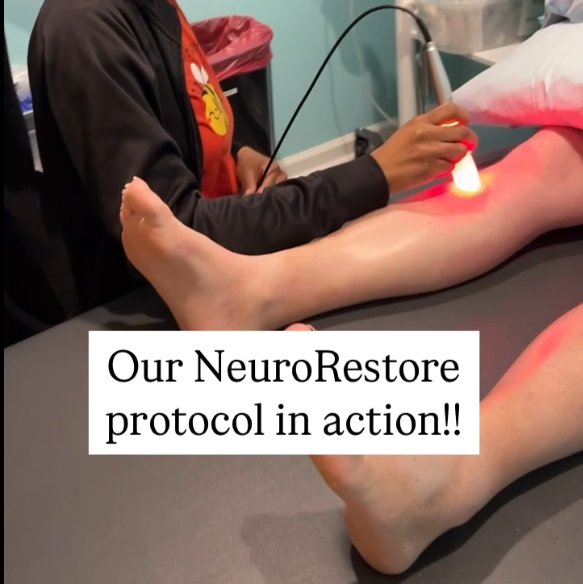
Nerve pain—also called neuropathic pain—is a complex and often debilitating condition that affects millions. It may feel like sharp, stabbing pain, burning, tingling, or numbness, and it can occur anywhere in the body. Unfortunately, nerve pain is frequently misunderstood, misdiagnosed, and ignored—leading to worsening symptoms over time.
When left untreated, nerve pain doesn’t just linger—it can lead to permanent nerve damage, loss of mobility, and a significant decline in quality of life. That’s why early diagnosis and intervention are critical. At Charleston Pain Relief Center, we understand the importance of addressing nerve pain at its root before it becomes a chronic and life-altering issue.
Our team focuses on non-invasive, cutting-edge treatments that provide lasting relief without the need for surgery or addictive medications. These therapies are designed to restore nerve function, reduce inflammation, and improve your overall well-being. Whether your nerve pain stems from diabetes, injury, sciatica, or another condition, we offer solutions tailored to your specific needs.
Don’t wait until the pain becomes unbearable. If you or a loved one are experiencing symptoms of nerve pain, contact Charleston Pain Relief Center today to explore safe, effective treatment options and start your journey toward lasting relief.
Nerve pain, or neuropathic pain, is caused by damage or dysfunction in the nervous system. Unlike muscle or joint pain, which typically results from injury or inflammation in tissues, nerve pain originates from the nerves themselves. This pain can feel like burning, stabbing, shooting, or tingling sensations and may be constant or come and go unpredictably.
What makes nerve pain particularly challenging is that it doesn’t usually respond well to traditional over-the-counter painkillers like ibuprofen or acetaminophen. Many people try to manage their symptoms this way, only to find little or no relief. Without proper treatment, nerve pain can persist for months or even years and may progressively worsen over time.
Common causes of nerve pain include diabetes, shingles, sciatica, spinal injuries, infections, or certain neurological conditions. In some cases, the source of the nerve damage may not be immediately clear, making accurate diagnosis essential for effective treatment.
At Charleston Pain Relief Center, we specialize in identifying and treating nerve pain at its source. Our non-invasive therapies aim to repair nerve damage, restore function, and relieve discomfort—without the need for surgery or long-term medication use. Don’t ignore nerve pain; the sooner it’s addressed, the better your chances for lasting relief.
Symptoms of nerve pain include:
Burning, tingling, or “pins and needles”
Electric-shock-like sensations
Numbness or weakness
Sensitivity to touch (even light contact can hurt)
Shooting pain that travels down arms or legs
Pain that worsens at night
These symptoms may start subtly and increase in severity. Ignoring them is not an option if you want to preserve your health and independence.
Nerve pain can be caused by several different medical conditions or injuries. The most common include:
Diabetes (Diabetic Neuropathy)
Prolonged high blood sugar levels can lead to a serious complication known as diabetic neuropathy. Over time, elevated glucose damages the small blood vessels that supply nerves, especially in the hands and feet. This nerve damage often causes symptoms like tingling, burning, numbness, or sharp pain. In severe cases, it can lead to loss of sensation, making injuries or infections harder to notice. Diabetic neuropathy is one of the most common causes of nerve pain and can significantly affect mobility and quality of life. Early blood sugar control and targeted treatment are essential to prevent further nerve damage and manage symptoms effectively.
Sciatica
Compression of the sciatic nerve—often caused by a herniated disc, spinal misalignment, or narrowing of the spine (spinal stenosis)—can lead to a condition known as sciatica. This type of nerve pain is typically felt as sharp, shooting, or burning sensations that radiate from the lower back down through the hips, buttocks, and legs. The pain may worsen with movement, prolonged sitting, or standing, and it can be accompanied by numbness, tingling, or muscle weakness. Sciatica can severely impact daily activities and mobility. Prompt, non-invasive treatment is key to relieving pressure on the nerve and preventing long-term nerve damage.
Peripheral Neuropathy
Damage to peripheral nerves—known as peripheral neuropathy—can result from a variety of causes, including exposure to toxins, physical injury, infections, or chronic conditions such as diabetes, kidney disease, or autoimmune disorders. The peripheral nerves are responsible for transmitting signals between the brain, spinal cord, and the rest of the body. When these nerves are damaged, it can lead to symptoms like burning pain, tingling, numbness, and muscle weakness, typically in the hands and feet. Left untreated, peripheral neuropathy can worsen over time. Identifying the underlying cause and starting targeted treatment early is essential for managing symptoms and preventing further nerve damage.
Post-Surgical Nerve Damage
Surgical procedures, particularly those involving the spine, abdomen, or major joints, can sometimes result in nerve injury. During surgery, nerves may be stretched, compressed, or inadvertently damaged, leading to post-operative nerve pain. This type of pain can manifest as burning, tingling, numbness, or shooting sensations near the surgical site or in areas served by the affected nerves. In some cases, scar tissue that forms during healing may also press on nearby nerves, causing ongoing discomfort. While some nerve-related symptoms may resolve over time, others can persist or worsen without proper care. Early intervention is key to managing post-surgical nerve pain effectively.
Infections or Autoimmune Diseases
Certain infections and autoimmune conditions can trigger nerve pain by directly damaging nerves or causing inflammation. Shingles, for example, can lead to post-herpetic neuralgia—a painful condition that lingers long after the rash has healed. HIV can cause neuropathy due to both the virus itself and side effects of treatment. Autoimmune diseases like lupus and rheumatoid arthritis can inflame and attack nerve tissues, leading to persistent pain, numbness, or tingling. In all these cases, nerve pain can significantly affect daily life and may become chronic if not addressed. Timely diagnosis and a tailored treatment plan are essential for managing symptoms and preventing progression.
Traumatic Injuries
Traumatic injuries from falls, car accidents, or sports-related incidents can crush, stretch, or even sever nerves, leading to intense and often long-lasting nerve pain. This damage may cause symptoms such as sharp, shooting pain, burning sensations, numbness, or muscle weakness in the affected area. In some cases, the pain can appear immediately, while in others, it may develop gradually as inflammation or scar tissue impacts nearby nerves.
No matter the cause—whether it’s injury, disease, or compression—one thing remains clear: the longer nerve pain goes untreated, the more difficult it becomes to manage. Early diagnosis and intervention are critical for effective, lasting relief.
❗ It Won’t Go Away on Its Own
Unlike a sore muscle, nerve pain doesn’t “heal with time.” Nerve fibers that are damaged or compressed often worsen without treatment.
❗ Risk of Permanent Damage
Chronic inflammation or pressure on a nerve can result in irreversible nerve damage, leading to numbness, weakness, or paralysis.
❗ Mental and Emotional Impact
Nerve pain is linked to depression, anxiety, and sleep disorders. Living with constant pain wears down your body and mind.
❗ Loss of Mobility
Untreated nerve pain can cause you to change your posture or gait, resulting in additional musculoskeletal problems, falls, or immobility.
Fortunately, you don’t have to suffer in silence. Advances in medical technology have made it possible to treat nerve pain effectively without surgery or long-term reliance on medications. At Charleston Pain Relief Center, we offer proven, non-surgical treatments designed to relieve pain, reduce inflammation, and support the body’s natural healing process. These therapies target the root cause of nerve pain—helping to restore normal nerve function and improve quality of life. Whether your pain is caused by diabetes, injury, sciatica, or another condition, personalized, non-invasive care can make a significant difference. Relief is possible—and it starts with the right treatment approach.
Regenerative Medicine (PRP & Stem Cell Therapy)
This cutting-edge approach uses your body’s natural healing power to repair damaged nerve tissue.
PRP (Platelet-Rich Plasma) injections use your own platelets to accelerate nerve healing.
Stem Cell Therapy promotes regeneration in damaged nerves by replacing or repairing unhealthy tissue.
✅ Minimal downtime
✅ Drug-free pain relief
✅ Long-lasting results
At Charleston Pain Relief Center, we’ve seen life-changing outcomes for patients using regenerative treatments.
High-powered therapeutic lasers use light energy to stimulate nerve repair, increase circulation, and reduce inflammation.
Safe and painless
Penetrates deep into soft tissue
Accelerates cell regeneration
Laser therapy is ideal for treating sciatica, peripheral neuropathy, and nerve compression syndromes.
Chiropractic Neurology & Spinal Decompression
In many cases, nerve pain originates in the spine. Misalignments or compressed discs press on spinal nerves, causing shooting or radiating pain.
Chiropractic adjustments gently realign the spine
Non-surgical spinal decompression relieves disc pressure
This approach is especially effective for sciatica, cervical radiculopathy, and lumbar disc herniations.
Peripheral Nerve Stimulation (PNS)
For stubborn nerve pain, PNS can be a game-changer. It uses a small device placed near the affected nerve to deliver mild electrical pulses.
Blocks pain signals from reaching the brain
Improves mobility and reduces dependency on medication
Reversible and minimally invasive
It’s a safe alternative to spinal cord stimulators or pain medication dependency.
Physical Therapy for Nerve Health
Customized physical therapy restores strength, improves blood flow, and prevents further nerve damage.
Balance and gait training
Nerve gliding and stretching techniques
Strengthening and coordination exercises
A skilled physical therapist can help retrain the nervous system and improve quality of life.
Nutritional Support and Supplementation
Certain nutrients are essential for nerve function and regeneration.
Alpha-lipoic acid – Powerful antioxidant that reduces inflammation
Vitamin B12 – Crucial for nerve sheath protection
Magnesium and Omega-3s – Anti-inflammatory and calming for nerve pain
A tailored nutrition plan can help patients manage chronic nerve pain naturally.
FAQs About Nerve Pain and Non-Invasive Treatment
❓ How do I know if my pain is nerve-related?
If your pain feels like burning, tingling, electric shock, or numbness—especially in a pattern (e.g., down one leg)—you may be experiencing nerve pain. A neurological exam can confirm this.
❓ Is nerve pain permanent?
Not always. With early treatment and proper care, many people experience full or partial recovery. The longer you wait, the higher the risk of permanent damage.
❓ Can I treat nerve pain without surgery?
Absolutely. Many patients recover using regenerative medicine, laser therapy, spinal decompression, and nutrition—without any invasive procedures.
❓ How long before I see results?
Some patients feel relief after just one session; others may need multiple treatments over several weeks. The type of treatment and the severity of the nerve damage will affect recovery time.
❓ What if medications haven’t helped?
That’s common. Nerve pain often doesn’t respond to standard painkillers. That’s why targeted, non-invasive treatments like the ones we offer are more effective long-term solutions.
Real Stories from Charleston Pain Relief Center
“I had sciatica for over 6 months and could barely sleep. After just three regenerative sessions and decompression therapy, I feel like a new person.”
– Tom W., Age 47
“Diabetic nerve pain was ruining my life. The laser therapy and nutrition plan from Charleston Pain Relief changed everything. I can walk again without pain.”
– Maria L., Age 60
Conclusion
Nerve pain is not something to ignore. The longer you wait, the worse it can get—and the harder it becomes to treat.
The good news? You don’t have to live with pain, take dangerous drugs, or resort to surgery.
With advanced, non-invasive treatment options now available at Charleston Pain Relief Center, there’s hope for a pain-free future. Whether you’re dealing with sciatica, diabetic neuropathy, or post-injury nerve damage, our team is here to provide natural, effective, and lasting relief.
✅ Don’t let nerve pain steal your life.
✅ Get evaluated early and start the healing process today.
📞 Call now to schedule your FREE Nerve Pain Consultation: 843-225-2550
📧 Email: InfoLineCPRC@gmail.com
🌐 Visit us: charlestonpainreliefcenter.com