
Chronic pain is a widespread health issue affecting millions of people around the world. It can arise from a variety of causes, including injuries, autoimmune conditions, age-related wear and tear, or persistent inflammation. Beyond the physical discomfort, chronic pain often takes a profound toll on overall quality of life. Many individuals struggling with ongoing pain experience disrupted sleep, decreased mobility, and difficulty performing everyday tasks. Over time, this can lead to increased emotional stress, anxiety, and even depression, further compounding the burden of living with chronic pain.
In the search for effective relief, people often try a variety of treatments, ranging from medications and physical therapy to injections, surgery, or alternative modalities. While these approaches may provide temporary or partial relief, many patients continue to struggle with persistent discomfort and limited function. In recent years, a promising, science-based therapy has emerged: PEMF therapy, or Pulsed Electromagnetic Field therapy. This innovative approach focuses on enhancing the body’s natural healing processes at the cellular level. By using targeted electromagnetic waves, PEMF therapy aims to reduce inflammation, stimulate tissue repair, improve circulation, and restore optimal cellular function — offering a non-invasive, drug-free alternative for those seeking lasting relief from chronic pain.
In this article, we explore:
What PEMF therapy is
How it works at the cellular level
Its benefits for chronic pain and overall cellular health
Chronic pain conditions that respond well to PEMF
Real-world research and outcomes
Safety, treatment expectations, and FAQs
By the end, you’ll understand why PEMF is not just a trend — it’s a promising therapeutic tool for pain relief and revolutionary cellular healing.
Pain Relief · North Charleston
One tap sends us a text that is already written for you. We reply with what we would look at, what it costs, and this week’s openings.
★ Your 15-minute consult is free
New patients. Medicare & Medicaid rules apply.
Prefer to talk? Call 843-604-2276

Scan it with your phone camera
The message is already written. Send it and we reply with the details.
On your phone right now? Call 843-604-2276
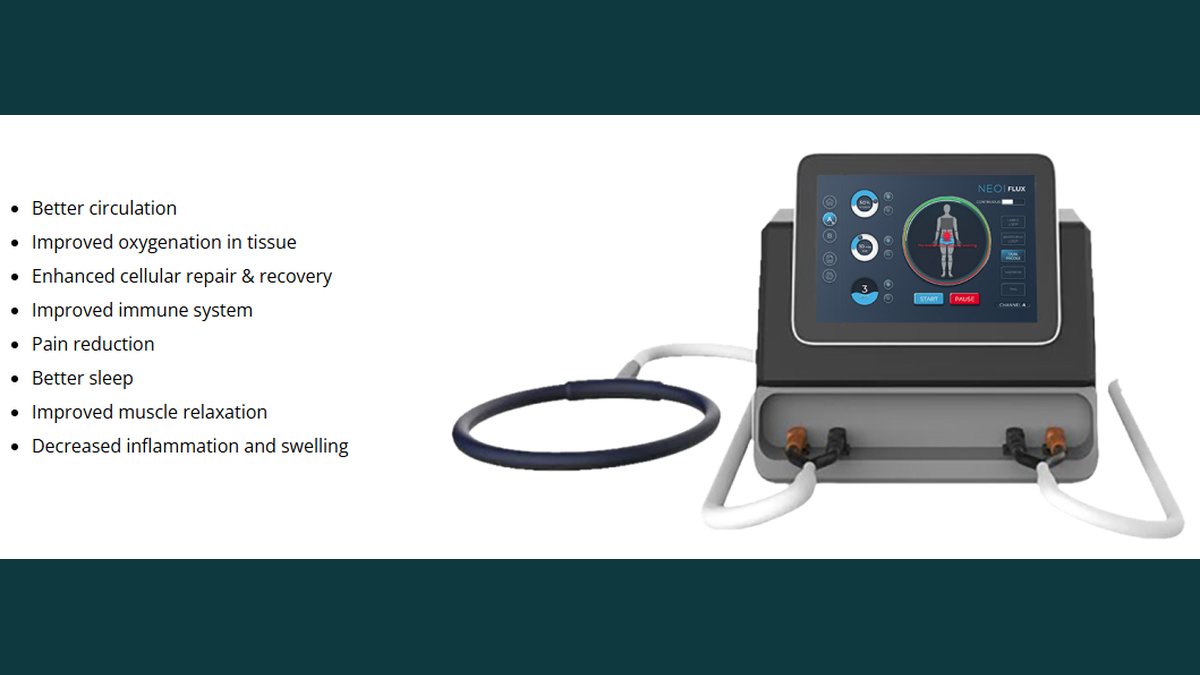
PEMF stands for Pulsed Electromagnetic Field therapy. It uses low-frequency electromagnetic waves to stimulate and influence cell behavior. These energy waves mimic the natural electromagnetic frequencies associated with healthy body function.
Unlike static magnets found in magnetic bracelets or mattress pads, PEMF devices generate pulsing electromagnetic fields that penetrate deep into tissues, bones, and organs.
Every cell in your body generates a tiny electrical charge. When cells are healthy, their electrical potential — known as the cell membrane potential — is optimized for nutrient intake, energy production, and waste removal.
In chronic pain and injury:
Cells become dysfunctional
Membrane potential drops
Energy production stalls
Waste accumulates
Inflammation persists
PEMF therapy energizes cells by increasing their electrical charge and stimulating cellular processes like:
✔ ATP (cellular energy) production
✔ Calcium ion transport
✔ Enhanced oxygen absorption
✔ Improved blood flow and nutrient delivery
✔ Accelerated tissue repair
In simple terms, PEMF recharges cells — restoring function, reducing inflammation, and boosting natural healing.
To grasp how PEMF therapy alleviates chronic pain, it’s essential to first understand the fundamentals of cellular health. Healthy cells maintain proper energy, nutrient balance, and waste removal, while dysfunctional cells contribute to inflammation, impaired healing, and persistent pain—making cellular wellness the foundation for effective recovery.
Cells & Pain — The Connection
Chronic pain often arises from:
Tissue damage
Repetitive strain
Nerve dysfunction
Poor circulation
Chronic inflammation
At the cellular level, these conditions contribute to:
Reduced energy production
Poor waste clearance
Ion imbalance
Increased oxidative stress
When cells are energetically depleted, they can’t heal efficiently — creating a downward loop of pain and inflammation.
Research shows PEMF therapy may:
✔ Increase membrane potential (improves cellular function)
✔ Stimulate nitric oxide production (enhances blood flow)
✔ Reduce pro-inflammatory cytokines
✔ Promote anti-inflammatory activity
✔ Help nerve signaling reset to normal patterns
Unlike pain medications that mask symptoms, PEMF targets the root cause — improving cellular efficiency and resilience.
PEMF therapy goes beyond merely masking pain—it targets underlying cellular dysfunction. By enhancing cell energy, improving circulation, and reducing inflammation, it supports the body’s natural healing processes. Its benefits extend to multiple systems, promoting tissue repair, nerve function, joint health, and overall wellness for lasting relief from chronic pain.
1. Reduces Inflammation at the Cellular Level
Inflammation is the core driver of many chronic pain conditions — from arthritis to tendonitis and back pain.
PEMF has been shown to:
Lower pro-inflammatory markers
Improve circulation to inflamed areas
Support lymphatic drainage
Enable faster tissue repair
At the cellular level, PEMF stimulates ion exchange across cell membranes, which regulates inflammatory signals. This translates to:
✔ Less swelling
✔ Improved range of motion
✔ Reduced pain intensity
2. Accelerates Tissue Regeneration and Healing
PEMF encourages cellular repair and regeneration by:
Enhancing cellular metabolism
Increasing ATP production (energy currency of cells)
Stimulating growth factors needed for tissue repair
This makes PEMF particularly effective for:
✔ Muscle injuries
✔ Ligament strains
✔ Bone healing
✔ Tendon dysfunction
Studies have shown accelerated bone healing in patients with fractures when PEMF is combined with standard orthopedic care. This is attributed to improved cellular energy and stimulation of osteoblast activity — the cells responsible for bone formation.
3. Improves Blood Flow, Oxygenation, and Nutrient Delivery
Many chronic pain sufferers have restricted blood flow to affected tissues. Poor circulation limits oxygen and nutrients while trapping waste products — a recipe for ongoing discomfort.
PEMF therapy:
✔ Expands capillaries
✔ Improves microcirculation
✔ Delivers oxygen more effectively
✔ Speeds waste removal
Enhanced circulation supports all other cellular functions, leading to:
Faster tissue repair
Reduced lactic acid buildup in muscles
Improved energy metabolism
4. Enhances Nerve Function and Pain Signaling
In chronic pain, nerve cells may become hypersensitive — sending amplified pain signals even after the original injury heals.
PEMF can:
Calm nerve activity
Improve nerve conduction
Reduce abnormal pain signaling
By restoring proper electrical balance in neurons, PEMF helps the nervous system reset — reducing neuropathic pain and enhancing overall comfort.
5. Supports Joint Health and Cartilage Repair
Joint pain from osteoarthritis or inflammation responds well to PEMF because:
It reduces joint swelling
Encourages cartilage repair
Improves lubrication and mobility
Decreases stiffness
Clinical trials have reported significant improvements in pain and functionality in osteoarthritis patients after several weeks of PEMF therapy, supporting its role as a non-invasive joint care modality.
PEMF therapy is effective across a wide spectrum of chronic pain and injury conditions, including:
Lower back pain: Degenerative disc disease, herniated discs, or muscle strain
Neck pain: Cervical arthritis, whiplash, or poor posture
Osteoarthritis: Knee, hip, hand, and spine joints
Frozen shoulder: Adhesive capsulitis or post-injury stiffness
Tendinitis: Elbow, wrist, shoulder, or Achilles tendon inflammation
Fibromyalgia: Widespread musculoskeletal pain and fatigue
Neuropathy: Diabetic neuropathy, chemotherapy-related nerve pain, or post-surgical nerve irritation
Post-surgical recovery: Supports healing and reduces scar tissue formation
Sports injuries: Sprains, strains, and overuse injuries
Additionally, PEMF is increasingly used by athletes and wellness enthusiasts to improve energy, recovery, circulation, and sleep quality.
Chronic pain often leads to anxiety, depression, and sleep disturbances. Emerging research suggests PEMF therapy may help regulate:
Neurotransmitter levels
Brain electrical activity
Mood and stress responses
While PEMF should not replace professional mental health care, patients report better sleep, improved focus, and a general sense of well-being after regular treatments — likely due to improved cellular and nervous system function.
During Treatment
✔ You lie comfortably on a PEMF therapy mat or sit near a targeted device
✔ Pulsed electromagnetic waves penetrate tissues
✔ Sessions usually last 20–30 minutes
✔ You may feel mild warmth or tingling
✔ It is painless and relaxing
Typical Course
Most treatment plans involve:
2–3 sessions per week initially
Later tapering to weekly or maintenance sessions
Results may appear within weeks (varies by condition)
Some patients notice immediate relief, while others experience gradual improvement over several weeks.
PEMF is considered safe for most adults. It is:
Non-ionizing (does not damage DNA)
Non-thermal (does not heat tissues)
Drug-free
Temporary relaxation or drowsiness
Tingling sensations
Improved sleep patterns
PEMF may not be suitable for:
❌ Individuals with pacemakers or implanted defibrillators
❌ Pregnant women (without medical clearance)
❌ Active bleeding or severe infection
❌ Uncontrolled medical conditions (consult a physician first)
Always consult a qualified provider to ensure PEMF is safe for your situation.
Numerous scientific studies have demonstrated the effectiveness of PEMF therapy in managing chronic pain and promoting healing. Research shows that regular PEMF treatments can reduce inflammation, enhance circulation, accelerate tissue repair, improve joint function, and support nerve health, making it a promising non-invasive solution for long-term pain relief.
Chronic Low Back Pain
Patients experienced reduced pain and improved mobility with PEMF therapy over a period of 6–8 weeks.
Osteoarthritis
Studies show decreased pain and swelling, along with improved joint functionality in knees and hips.
Post-Surgical Recovery
PEMF has been shown to accelerate tissue repair and reduce scar tissue formation, helping patients return to normal activity faster.
Fibromyalgia
Pain scores improved, and patients reported better quality of life with regular PEMF sessions.
Sports Medicine
Athletes recovering from injuries benefit from reduced inflammation, improved circulation, and faster muscle recovery.
These results reinforce PEMF therapy’s role in cellular repair, pain management, and overall well-being.
1. What does PEMF feel like?
Most patients feel nothing or mild warmth/tingling. The experience is typically relaxing and comfortable.
2. How quickly will I feel results?
Some notice relief after the first few sessions; others see gradual improvement over several weeks. Severity and consistency affect response.
3. Is PEMF covered by insurance?
Coverage varies. Some clinics provide documentation for insurance reimbursement; others offer self-pay or alternative payment options.
4. Can PEMF replace medication?
PEMF can reduce the need for pain medications but should be part of a comprehensive care plan. Consult your physician before adjusting medications.
5. Are there side effects?
Side effects are rare and mild, such as temporary relaxation or changes in energy levels. Most patients tolerate it well.
6. How often should I receive PEMF therapy?
Initial treatment typically involves multiple sessions per week. After improvement, maintenance sessions may be weekly or monthly.
7. Can I do PEMF at home?
Home devices exist, but professional-grade PEMF devices provide stronger, more targeted fields and typically produce better results.
Many patients report transformative results:
“After months of back pain, PEMF sessions finally gave me relief I didn’t think was possible. I can sleep through the night again and move without constant stiffness.” — Samantha, Charleston
“I had knee arthritis for years. PEMF therapy reduced my swelling and improved mobility. I can walk longer distances without pain.” — Michael, North Charleston
“Recovering from a shoulder injury was slow until I started PEMF. The healing seemed faster, and my pain decreased significantly.” — Tina, SC
These anecdotal reports align with clinical findings, emphasizing PEMF’s impact on both pain relief and quality of life.
Chronic pain is far more than simple discomfort—it reflects a complex imbalance at the cellular level. Factors such as persistent inflammation, heightened nerve sensitivity, reduced circulation, and decreased cellular energy all contribute to ongoing pain and slow healing. Traditional treatments, including medications and injections, often focus on masking symptoms rather than addressing these underlying issues. In contrast, PEMF therapy works at the cellular level, stimulating energy production, improving blood flow, reducing inflammation, and supporting tissue repair. By restoring optimal cellular function, PEMF helps the body heal naturally from the inside out, offering lasting relief and improved overall wellness.
PEMF:
Promotes cellular energy and regeneration
Reduces inflammation and nerve irritation
Improves circulation and nutrient delivery
Supports tissue repair
Enhances overall wellbeing
Whether you’re seeking relief from persistent pain, accelerating recovery from injury, or simply aiming to improve cellular vitality, PEMF therapy offers a scientifically grounded, non-invasive solution with growing clinical support.
Take Action Today
📍 Charleston Pain Relief Center
Address: 2294 Otranto Road, North Charleston, SC 29406, United States
📞 Free Phone Consultation Hotline: (843) 604-2276
📧 Email: InfoLineCPRC@gmail.com
🌐 Website: https://charlestonpainreliefcenter.com
At Charleston Pain Relief Center, our experts specialize in personalized, evidence-based care, including PEMF therapy tailored to your unique needs. Call today for a free consultation and take your first step toward lasting relief and improved cellular health.