Pain Relief · North Charleston
One tap sends us a text that is already written for you. We reply with what we would look at, what it costs, and this week’s openings.
★ Your 15-minute consult is free
New patients. Medicare & Medicaid rules apply.
Prefer to talk? Call 843-604-2276

Scan it with your phone camera
The message is already written. Send it and we reply with the details.
On your phone right now? Call 843-604-2276
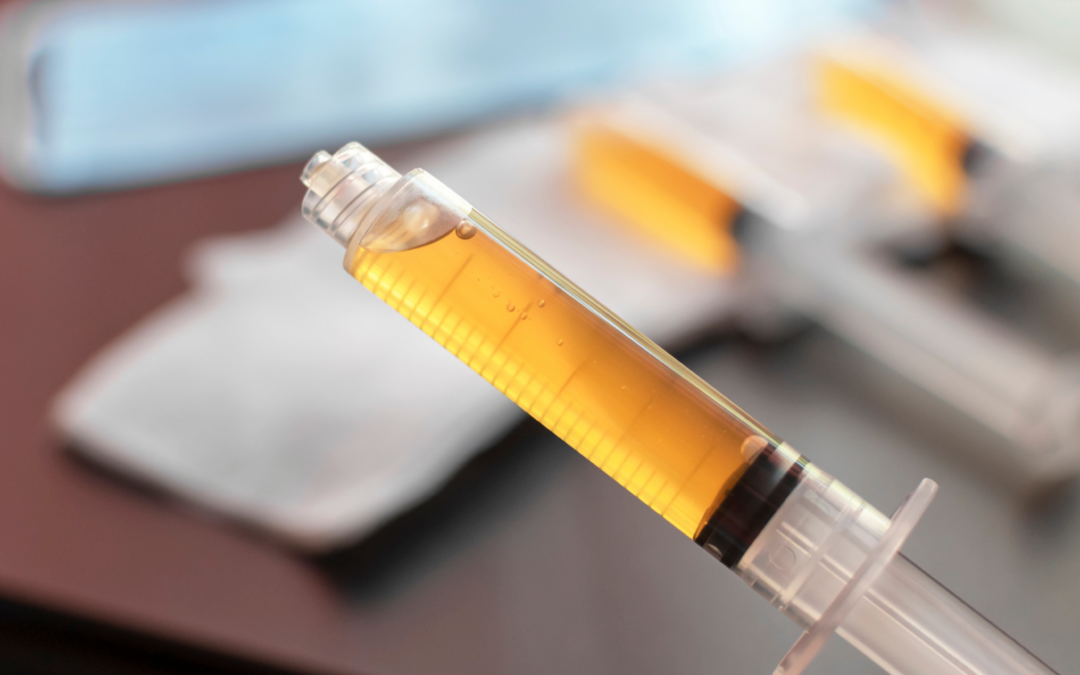
Stem cell therapy and platelet-rich plasma (PRP) injections are transforming the field of regenerative medicine, offering innovative solutions for individuals suffering from chronic pain, joint degeneration, sports injuries, and other musculoskeletal conditions. These treatments work by stimulating the body’s natural healing processes, promoting tissue repair, reducing inflammation, and improving overall joint and muscle function. However, while stem cell and PRP therapies can jumpstart recovery, their long-term effectiveness is significantly enhanced when paired with a structured physical therapy program.
Physical therapy plays a crucial role in supporting the healing process by improving circulation, restoring range of motion, strengthening surrounding muscles, and promoting functional recovery. It helps patients regain mobility safely, prevent re-injury, and achieve the best possible outcomes from regenerative treatments. Through carefully tailored exercises, manual therapy techniques, and progressive rehabilitation plans, physical therapists guide patients at every stage of recovery, ensuring that healing tissues adapt properly and regain strength and flexibility.
By combining regenerative medicine with physical therapy, patients benefit from a comprehensive approach that addresses both the biological repair of tissues and the functional restoration of movement. This integrated strategy maximizes recovery, enhances quality of life, and helps patients return to daily activities and athletic performance safely and effectively.
Stem cells are unique, undifferentiated cells with the extraordinary ability to develop into multiple types of tissues and regenerate damaged areas in the body. Unlike most cells, they possess the ability to self-renew, meaning they can replicate themselves while maintaining their undifferentiated state. This makes them highly adaptable and capable of responding to the specific needs of injured tissues, which is why they are increasingly used in regenerative medicine.
In orthopedic medicine, stem cells play a critical role in repairing and restoring damaged cartilage, ligaments, tendons, and muscles. They can reduce inflammation, promote tissue regeneration, and improve joint function, offering patients an alternative to traditional surgical interventions. Stem cell therapy is particularly valuable for treating sports injuries, chronic joint pain, and degenerative conditions such as osteoarthritis. By harnessing the body’s natural healing potential, stem cells provide a promising solution for patients seeking faster, safer, and more effective recovery.
Common sources of stem cells include:
Bone marrow-derived stem cells: Often used for orthopedic procedures due to their high regenerative potential.
Adipose-derived stem cells (from fat tissue): These cells are abundant and easily harvested, showing promising results in tissue regeneration.
Umbilical cord stem cells: Less common in adults but increasingly used in research and specialized treatments.
Stem cells are often injected into the affected area under image guidance, such as ultrasound, to maximize accuracy and effectiveness.
Platelet-Rich Plasma (PRP) therapy is an advanced regenerative treatment that harnesses a patient’s own blood to accelerate healing and tissue repair. The process begins with a small blood sample, which is then placed in a centrifuge to separate and concentrate the platelets from other blood components. These concentrated platelets, rich in growth factors and bioactive proteins, are injected directly into the injured tissue, such as joints, tendons, or muscles.
The growth factors released by the platelets play a crucial role in stimulating cellular regeneration, reducing inflammation, and promoting the body’s natural healing processes. PRP therapy is particularly effective for treating chronic pain, tendon and ligament injuries, muscle strains, and degenerative conditions like osteoarthritis. By targeting the injured area with the body’s own healing components, PRP not only accelerates recovery but also improves tissue quality, reduces pain, and enhances overall function, making it a safe, minimally invasive alternative to traditional treatments and surgeries.
PRP therapy is frequently used for:
Tendon injuries like tennis elbow or Achilles tendonitis
Ligament injuries such as ACL or MCL tears
Osteoarthritis and cartilage degeneration
Muscle strains and chronic back pain
Both stem cell and PRP therapies aim to enhance the body’s natural healing mechanisms, but optimal recovery relies heavily on post-treatment care—this is where physical therapy plays a pivotal role.
While stem cell and PRP injections activate the body’s natural healing processes, physical therapy is essential for translating that biological repair into functional, long-lasting recovery. Regenerative treatments repair tissues at a cellular level, but without guided rehabilitation, patients may regain tissue integrity without restoring full mobility, strength, or joint stability. Physical therapy bridges this gap by providing carefully designed exercises, manual therapy, and targeted rehabilitation strategies that support healing while promoting safe movement patterns.
Through progressive stretching, strengthening, balance, and coordination exercises, physical therapists help restore joint range of motion, improve muscle support around the treated area, and reduce the risk of re-injury. Modalities such as ultrasound, electrical stimulation, and soft tissue mobilization further reduce inflammation and pain, making rehabilitation more effective and comfortable. By combining regenerative medicine with structured physical therapy, patients achieve faster recovery, enhanced functional outcomes, and improved quality of life, enabling them to return to daily activities, work, or sports safely and confidently.
Circulation is critical for tissue repair. Physical therapy exercises increase blood flow to the treated area, delivering oxygen and essential nutrients to aid the regenerative process. Techniques such as:
Manual therapy
Targeted stretching
Low-impact movement exercises
…can significantly enhance the activity of stem cells and PRP growth factors. Better circulation means faster tissue repair, reduced swelling, and quicker recovery.
Even minimally invasive procedures like PRP or stem cell injections can cause temporary inflammation and soreness. Physical therapists use modalities such as:
Ice and heat therapy
Ultrasound
Electrical stimulation (TENS)
Soft tissue mobilization
These therapies help control inflammation, reduce pain, and improve comfort, allowing patients to participate in rehabilitation exercises safely.
Post-treatment stiffness is common, especially in joints and connective tissues. Without proper rehabilitation, scar tissue can form, restricting movement. Physical therapy addresses this by:
Stretching tight muscles and ligaments
Joint mobilization techniques
Functional exercises designed for gradual flexibility improvement
Restoring a full range of motion is critical for patients to return to their daily activities and prevent long-term complications.
Muscle weakness around the treated area can compromise joint stability and slow recovery. Physical therapy provides structured strength training, which:
Supports joint structures
Improves posture and movement patterns
Reduces the risk of re-injury
Strengthening exercises are carefully tailored to avoid overloading healing tissues while progressively challenging them as recovery advances.
The ultimate goal of regenerative treatments is not only tissue repair but also functional restoration. Physical therapy bridges the gap between medical intervention and returning to normal life. Through:
Functional movement training
Balance and coordination exercises
Activity-specific rehabilitation
…patients regain confidence, reduce pain, and improve quality of life.
Post-treatment physical therapy is highly individualized. Factors influencing the program include:
Type of treatment received (stem cell or PRP)
Location of the injury
Patient age and overall health
Activity level and lifestyle goals
Focus: Reduce pain, inflammation, and swelling
Methods: Gentle movement, ice/heat therapy, light stretching
Goal: Protect the treated area while initiating healing
Focus: Gradual reintroduction of movement and light strengthening
Methods: Low-impact exercises, guided range-of-motion activities
Goal: Restore mobility and prevent stiffness
Focus: Progressive strengthening and functional exercises
Methods: Resistance training, balance exercises, coordination drills
Goal: Improve strength, stability, and function for daily activities
Focus: Long-term joint and tissue health
Methods: Home exercise programs, low-impact conditioning
Goal: Prevent recurrence, maintain mobility, and enhance overall fitness
Manual Therapy – Hands-on techniques to mobilize joints and soft tissues, reduce stiffness, and enhance circulation.
Therapeutic Exercises – Tailored exercises to improve strength, flexibility, and functional movement patterns.
Neuromuscular Re-education – Training the nervous system to improve movement efficiency and coordination.
Modalities – Ice, heat, ultrasound, and electrical stimulation to manage pain and inflammation.
Balance and Proprioception Training – Ensures stability and prevents falls or reinjury during the recovery process.
Research consistently shows that patients who combine regenerative therapies, such as stem cell and PRP treatments, with structured physical therapy experience significantly better outcomes. Physical therapy enhances circulation, reduces inflammation, restores range of motion, and strengthens supporting muscles, allowing the body to fully benefit from regenerative treatments. This integrated approach not only accelerates recovery but also improves joint function, mobility, and long-term quality of life for patients.
Pain Reduction: Patients report faster and more significant relief when therapy is incorporated.
Improved Joint Function: Range-of-motion exercises prevent stiffness and improve mobility.
Enhanced Strength: Muscle support around the affected area reduces re-injury risk.
Higher Patient Satisfaction: Holistic care approaches lead to better adherence and long-term results.
A 2019 study in the Journal of Orthopedic Research found that patients who combined PRP injections with structured rehabilitation experienced a 40% faster return to activity compared to PRP-only patients.
Myth 1: “I don’t need physical therapy if I get PRP or stem cells.”
Reality: Regenerative therapies stimulate healing, but without guided rehabilitation, patients may not regain full function or strength.
Myth 2: “Physical therapy will interfere with my injections.”
Reality: When supervised, therapy complements regenerative treatments and enhances their effectiveness.
Myth 3: “Recovery is instant.”
Reality: Healing takes time. Physical therapy accelerates progress but doesn’t replace natural tissue repair timelines.
Myth 4: “I can skip exercises at home.”
Reality: Home exercises are critical to maintain gains from in-clinic therapy and optimize recovery outcomes.
Follow Your Therapy Plan: Adhering to prescribed exercises and restrictions is key.
Nutrition Matters: A balanced diet with protein, vitamins, and minerals supports tissue repair.
Stay Hydrated: Proper hydration promotes circulation and reduces recovery time.
Avoid Overexertion: Listen to your body and avoid activities that may compromise healing.
Monitor Symptoms: Report unexpected pain, swelling, or changes to your provider immediately.
Patience is Crucial: Healing and functional recovery may take weeks to months; consistency matters.
Patient A: A 45-year-old runner with chronic knee osteoarthritis underwent PRP therapy. After injections, a physical therapy program was initiated focusing on:
Gentle range-of-motion exercises
Quadriceps and hamstring strengthening
Balance and proprioception training
Outcome: Within eight weeks, the patient reported reduced pain, improved knee stability, and resumed running gradually. This illustrates how physical therapy amplifies the benefits of regenerative medicine.
Q1: How soon can I start physical therapy after regenerative treatment?
Most patients begin light therapy within a few days to a week, depending on the injection site and physician instructions.
Q2: Is physical therapy painful after stem cell or PRP injections?
Therapy is designed to be gentle and progressive. Mild soreness may occur, but it is manageable and normal.
Q3: How long does it take to see results?
Recovery timelines vary, but most patients notice improvements within 4-12 weeks.
Q4: Can I perform physical therapy at home?
Home exercises are part of most programs, but supervised therapy ensures correct technique and safe progression.
Q5: Does insurance cover physical therapy after regenerative treatments?
Coverage varies. Some plans may partially cover therapy, while others may require out-of-pocket payments.
Q6: Can I combine therapy with other treatments?
Yes, physical therapy complements medications, lifestyle changes, and other supportive treatments for optimal results.
Physical therapy is a vital component of stem cell and PRP recovery. By enhancing circulation, reducing inflammation, restoring range of motion, strengthening muscles, and promoting long-term functional recovery, therapy ensures patients achieve optimal outcomes.
Combining regenerative medicine with structured rehabilitation represents a holistic approach that addresses both tissue repair and functional restoration. Patients benefit from faster recovery, improved mobility, and a higher quality of life.
If you’re considering stem cell or PRP therapy, don’t underestimate the role of physical therapy in achieving the best outcomes. At Charleston Pain Relief Center, our expert team provides personalized regenerative treatments combined with comprehensive rehabilitation programs designed to help you regain mobility and live pain-free.
📍 Address: Charleston Pain Relief Center, 2294 Otranto Road, North Charleston, SC 29406, United States
📞 Phone (Main Office): (843) 225-2550
📞 Free Consultation Hotline: (843) 604-2276
📧 Email: InfoLineCPRC@gmail.com
🌐 Website: https://charlestonpainreliefcenter.com
Schedule your consultation today and take the first step toward faster, safer recovery!