Short answer
The five problems we treat most with SoftWave are plantar fasciitis and heel pain, knee pain, shoulder tendon problems, tennis and golfer's elbow, and stubborn back pain. What they share: soft tissue that has stopped healing on its own.
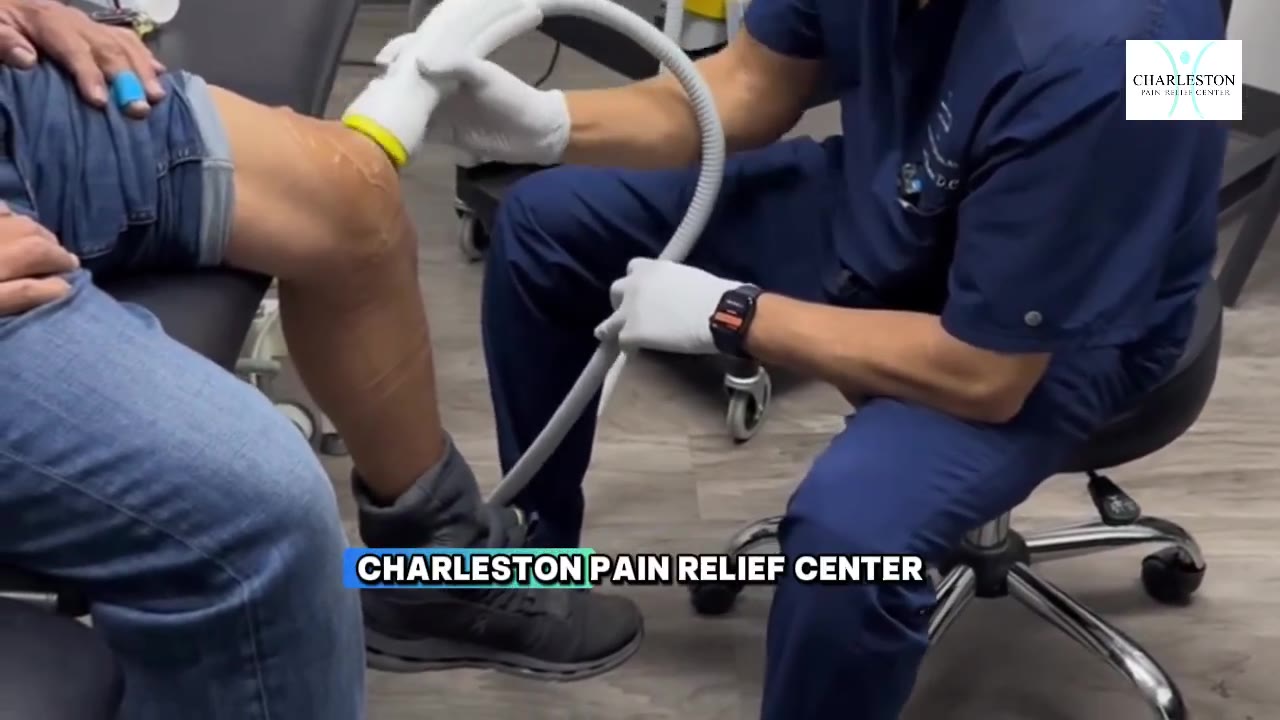
SoftWave sends a focused acoustic wave into that tissue to help activate connective tissue and improve blood supply. Most chronic cases take about 5 to 8 short sessions. Individual results vary.
The top 5, counted down
#5 · Back
Back pain that has stalled
Months old, not moving with medication or PT. We often pair SoftWave with chiropractic care or decompression.
#4 · Elbow
Tennis and golfer's elbow
The tendon pain that flares every time you grip a coffee cup or a club.
#3 · Shoulder
Rotator cuff and frozen shoulder
Reaching the top shelf hurts. A drug-free option to discuss before more injections.
#2 · Knee
Knee pain and tendon trouble
Stairs, kneeling, getting out of the car. Common for runners, golfers and grandparents.
#1 · Heel
Plantar fasciitis
That stab on the first step out of bed. One of the most common reasons people come in for SoftWave.
| Condition | Typical sign | Sessions we usually plan |
|---|---|---|
| Plantar fasciitis / heel pain | Worst on the first steps in the morning | About 5 to 8 |
| Knee pain | Stairs, kneeling, standing up | About 5 to 8 |
| Shoulder tendons | Pain reaching overhead or sleeping on it | About 5 to 8 |
| Tennis / golfer's elbow | Pain when gripping | About 5 to 8 |
| Chronic back pain | Months of pain that will not settle | Often combined with other care |
Session counts are what we typically plan for chronic cases; acute injuries can be shorter. We re-check after the first 3 visits.
Honorable mentions
We also use SoftWave for Achilles pain, hip bursitis, patellar tendon pain, calcific tendinitis and scar tissue, and as one part of our neuropathy program. The full list is on our SoftWave therapy in North Charleston.
Quick check: is SoftWave worth a look for you?
Tap each one that sounds like you.
I have one of the five problems above.
Good, those are the cases we see most often with SoftWave.
It has been going on for 3 months or more.
Long-standing pain is where SoftWave is used most.
I want to keep moving: no downtime, no medication.
Quick 10 to 15 minute sessions, and you go right back to your day.
Two or more sound like you? Start with a free consultation. Pick a time here.
Ready to find out if SoftWave fits your pain?
Your consultation is free. If you want to move forward, your exam and first SoftWave session are $49, so you feel it before you decide. New patients; Medicare and Medicaid rules apply.
Book my free consult Text us (message is ready)Rather talk? Call (843) 604-2276
Questions people ask us
What does SoftWave therapy treat best?
Chronic soft-tissue problems where healing has stalled: plantar fasciitis and heel pain, knee pain, shoulder tendon problems, tennis and golfer's elbow, and stubborn back pain are the five we treat most.
How many SoftWave sessions will I need?
Most chronic conditions take about 5 to 8 weekly sessions; acute injuries often take 3 to 5. We re-check after the first 3 visits.
Can SoftWave help neuropathy?
SoftWave is one part of our neuropathy program, where it is used to improve blood flow to the feet and hands. Neuropathy needs a full evaluation first.
Who should not have SoftWave?
We will not recommend it during pregnancy (except some extremity cases with clearance), with an active cancer or infection at the area, or with an uncontrolled clotting disorder. Pacemakers are evaluated case by case.
Which condition responds fastest?
Every case is different. Newer injuries often need fewer sessions (about 3 to 5) than pain that has lasted months or years (about 5 to 8). We re-check after your first 3 visits.
Keep reading: SoftWave vs shockwave therapy · Does SoftWave actually work?
This article is general information, not medical advice. Individual results vary. Charleston Pain Relief Center, 2294 Otranto Rd, North Charleston, SC 29406.