
Understanding Regenerative Medicine: How It Helps Relieve Chronic Pain Naturally
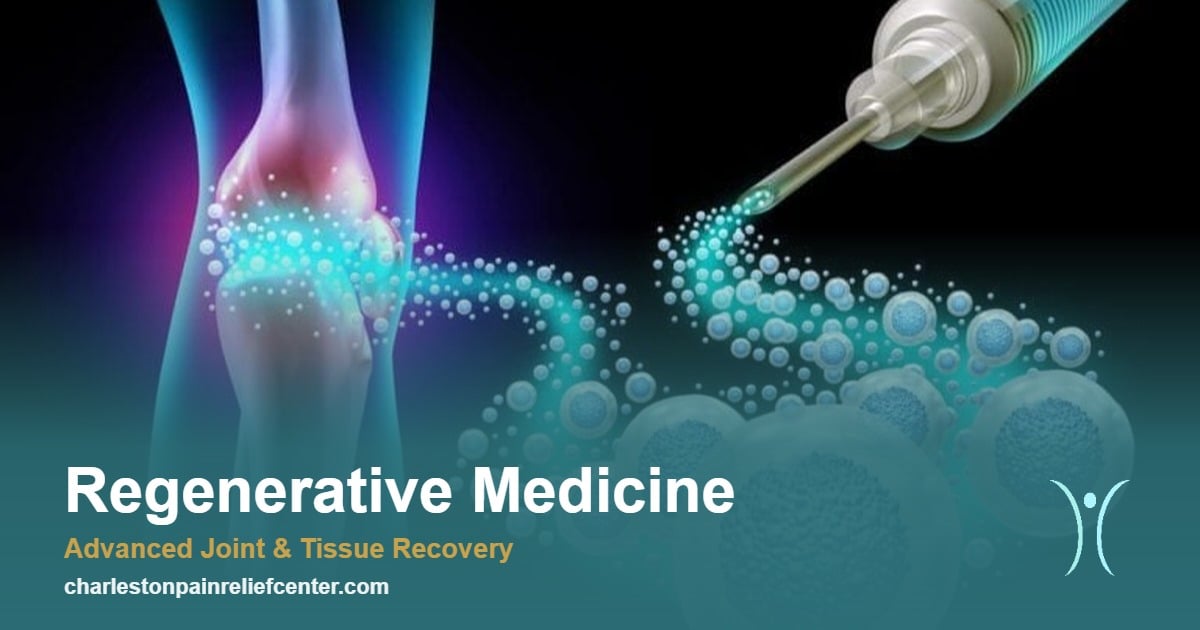
Chronic pain impacts millions of Americans, significantly reducing their quality of life and limiting daily activities. While traditional treatments like prescription medications or surgery may provide short-term relief, they often come with unwanted side effects or fail to address the underlying cause of the pain. Regenerative medicine offers a groundbreaking, natural alternative that focuses on healing the body from within.
Regenerative medicine harnesses the body’s own repair mechanisms to restore damaged tissues and reduce inflammation. Instead of simply masking symptoms, this approach targets the root cause of pain—offering a long-term solution. It involves advanced therapies such as stem cell treatments, platelet-rich plasma (PRP) therapy, and tissue engineering, which stimulate cell growth and regeneration in affected areas.
Conditions commonly treated with regenerative medicine include joint pain, arthritis, tendon injuries, and back pain. By enhancing the body’s natural healing process, patients often experience reduced pain, improved mobility, and quicker recovery times—without relying on drugs or invasive procedures.
This innovative field is rapidly transforming the way we manage chronic pain, giving patients hope and restoring function in ways previously thought impossible. For those seeking lasting relief without the risks of surgery or medication, regenerative medicine offers a promising path forward.
Pain Relief · North Charleston
Get your pain relief plan by text
One tap sends us a text that is already written for you. We reply with what we would look at, what it costs, and this week’s openings.
★ Your 15-minute consult is free
New patients. Medicare & Medicaid rules apply.
Prefer to talk? Call 843-604-2276

Scan it with your phone camera
The message is already written. Send it and we reply with the details.
On your phone right now? Call 843-604-2276
What Is Regenerative Medicine?
Regenerative medicine is an advanced and rapidly evolving field of medical science that aims to repair, replace, or regenerate damaged tissues, organs, and functions by tapping into the body’s own natural healing abilities. Unlike traditional treatments that primarily focus on managing symptoms through medications or invasive surgeries, regenerative medicine seeks to address the root cause of injury or disease at a cellular level.
This innovative approach includes a range of therapies such as stem cell treatments, platelet-rich plasma (PRP) therapy, tissue engineering, and the use of biological growth factors. These treatments work by stimulating the body’s repair mechanisms, encouraging the growth of new, healthy tissue, reducing inflammation, and restoring normal function. For example, stem cells can transform into various cell types, which may support repair in cartilage, muscles, or nerves.
Regenerative medicine is particularly effective in treating chronic conditions such as arthritis, joint pain, tendon injuries, and degenerative disc disease. It offers patients the potential for faster recovery, less pain, and improved mobility—without the need for long-term medication use or invasive surgery. As research advances, regenerative medicine continues to offer hope for more effective, personalized treatments, paving the way for a future where healing comes from within.
Core Principles of Regenerative Medicine:
Cell Therapy: Using live cells (often stem cells or platelet-rich plasma) to repair and restore tissues.
Tissue Engineering: Combining scaffolds and biologically active molecules to replace damaged tissues.
Growth Factor Therapy: Using proteins to stimulate cell growth and repair.
Gene Therapy: Correcting or replacing defective genes associated with disease.
The goal is simple: restore the normal function of tissues and organs in a safe, natural, and minimally invasive way.
How Regenerative Medicine Helps Relieve Chronic Pain Naturally
Chronic pain affects millions of people and can stem from a variety of conditions, including arthritis, sports injuries, degenerative joint disease, and spinal problems. This type of pain often persists for months or even years, significantly impacting a person’s mobility, mood, and overall quality of life. Traditional treatments such as pain medications, steroid injections, or surgery typically aim to reduce symptoms rather than treat the actual source of the pain.
Regenerative medicine offers a groundbreaking shift in how we approach chronic pain. Instead of masking discomfort, it targets the root cause—damaged or degenerated tissues. By using the body’s natural healing capabilities, regenerative therapies work to support repair in the affected areas. Treatments such as stem cell therapy and platelet-rich plasma (PRP) therapy introduce powerful healing cells and growth factors directly into the injured tissues, helping to stimulate regeneration, reduce inflammation, and restore function.
These innovative therapies are particularly promising for individuals with joint pain, tendon injuries, cartilage damage, and spinal conditions. Many patients experience reduced pain, improved mobility, and enhanced quality of life—without the need for surgery or long-term drug use. By focusing on true healing, regenerative medicine offers a safer, more effective solution for long-lasting relief from chronic pain.
Here’s how it works:
1. Reduces Inflammation
Inflammation is a major contributor to chronic pain, often causing swelling, stiffness, and discomfort in affected areas. Regenerative therapies such as Platelet-Rich Plasma (PRP) and stem cell injections offer a natural solution by targeting inflammation at its source. These treatments release powerful anti-inflammatory agents and healing factors that calm the immune response, reduce pain, and promote tissue repair. Unlike medications that merely mask symptoms, regenerative therapies work to restore balance within the body and support long-term healing. As a result, many patients experience lasting relief, improved mobility, and a better quality of life—without relying on drugs or invasive procedures.
2. Stimulates Tissue Repair
Regenerative medicine works by injecting cells and growth factors directly into areas of damage, stimulating the body’s natural healing processes. These powerful biological agents activate tissue repair, encouraging the regeneration of damaged cartilage, tendons, and ligaments. As new, healthy tissue forms, inflammation decreases, and joint friction is reduced—leading to less pain and improved function. This process not only addresses the root cause of discomfort but also helps restore strength and mobility over time. Unlike temporary pain relief methods, regenerative therapies promote lasting healing, offering a natural, non-surgical solution for those suffering from joint pain and soft tissue injuries.
3. Restores Function
As the tissue regenerates through regenerative therapies, the treated area gradually regains strength, flexibility, and mobility. This restoration process helps stabilize joints, reduce inflammation, and enhance overall function. Over time, patients often experience long-term relief from chronic pain and a noticeable improvement in their range of motion. By healing the underlying damage rather than just masking symptoms, regenerative medicine offers a lasting solution that supports an active, pain-free lifestyle. Whether you’re dealing with joint degeneration, tendon injuries, or ligament damage, these therapies help restore natural movement and improve quality of life—without the need for ongoing medication or invasive procedures.
4. Delays or Avoids Surgery
Regenerative medicine heals damaged tissue at the cellular level, addressing the root cause of pain rather than just the symptoms. By promoting natural tissue repair and regeneration, treatments like stem cell therapy and platelet-rich plasma (PRP) can restore function and reduce inflammation without the need for invasive procedures. For many patients, this means avoiding surgeries such as joint replacement or spinal fusion, which often come with long recovery times and potential complications. Instead, regenerative therapies offer a minimally invasive, long-lasting solution that supports the body’s own healing processes—helping individuals return to pain-free movement and an improved quality of life.
Common Regenerative Therapies for Pain Management
1. Stem Cell Therapy
Regenerative therapies often use the patient’s own umbilical cord allograft cells, which are typically harvested from bone marrow or fat tissue. These powerful cells have the unique ability to develop into various types of tissue, including cartilage, bone, and muscle. Once collected and processed, the stem cells are injected into the damaged area, where they begin to repair and regenerate tissue at the cellular level. This process reduces inflammation, promotes healing, and restores function—making it an effective option for conditions like arthritis, joint injuries, or muscle tears. Since the cells come from the patient’s own body, the risk of rejection is minimal.
2. Platelet-Rich Plasma (PRP) Therapy
Platelet-Rich Plasma (PRP) therapy involves drawing a small amount of the patient’s blood, processing it to concentrate the platelets, and injecting this solution into the injured area. Platelets are rich in growth factors that play a crucial role in the body’s natural healing process. When injected, PRP stimulates tissue repair, reduces inflammation, and accelerates recovery. This treatment is commonly used for joint pain, tendon injuries, and soft tissue damage. Because PRP uses the patient’s own blood, it is a safe and minimally invasive option with low risk of adverse reactions. Many patients experience reduced pain and improved function over time.
3. Prolotherapy
Prolotherapy involves injecting a sugar (usually dextrose) or saline solution into weak or damaged ligaments and tendons to stimulate the body’s natural healing response. The injected solution causes mild, localized inflammation, which signals the body to send healing cells to the area. This response promotes the growth of new collagen, helping to strengthen and repair the affected tissues. Over time, prolotherapy can improve joint stability, reduce pain, and restore function. It is especially useful for chronic injuries or conditions where tissues have become lax or degenerated. As a non-surgical treatment, prolotherapy offers a safe, natural option for long-term relief.
Conditions Regenerative Medicine Can Treat
Osteoarthritis
Degenerative disc disease
Rotator cuff injuries
Meniscus tears
Tendonitis
Plantar fasciitis
Bursitis
Sciatica
Neck and back pain
Sports injuries
Carpal tunnel syndrome
Each of these conditions involves some form of tissue damage or inflammation, which regenerative treatments can help heal.
Benefits of Regenerative Medicine for Chronic Pain
🌿 Drug-Free: No reliance on opioids or long-term medications.
💉 Minimally Invasive: Avoids risks and recovery time associated with surgery.
🔄 Long-Lasting Relief: Targets the source of pain for lasting improvement.
✅ Safe and Natural: Utilizes your own cells or biologics with little to no side effects.
🏃 Faster Recovery: Patients often resume normal activities quickly.
Is Regenerative Medicine Right for You?
If you’ve tried painkillers, physical therapy, or even surgery with little success, regenerative medicine may be the right path. Ideal candidates include those who:
Suffer from joint pain due to arthritis or sports injuries.
Have chronic back or neck pain that limits mobility.
Want a natural solution with minimal downtime.
Are not good candidates for surgery or want to avoid it.
It’s important to consult a qualified specialist to evaluate your condition and determine the best course of action.
FAQs About Regenerative Medicine
❓ Is regenerative medicine safe?
Yes. Since most treatments use the patient’s own cells or blood, there is a low risk of rejection or allergic reaction.
❓ How soon will I feel relief?
Many patients report noticeable improvement within 2–4 weeks, although some cases may require more time or multiple sessions.
❓ Are the treatments painful?
Most regenerative procedures are quick and involve only mild discomfort. Local anesthesia is often used during injections.
❓ How long does the relief last?
Regenerative treatments provide long-term benefits. Some patients remain pain-free for years after a single treatment, while others may need follow-up sessions.
❓ Will insurance cover regenerative therapy?
Coverage varies by provider. Some regenerative treatments are considered elective, but consultation and diagnostic evaluations may be covered.
Conclusion
Regenerative medicine represents a transformative shift in how we approach chronic pain—focusing on healing rather than simply managing symptoms. Unlike conventional treatments that rely on medications or invasive procedures, regenerative therapies work at the cellular level to repair and regenerate damaged tissues. These treatments harness the body’s innate ability to heal itself, using techniques like stem cell therapy and platelet-rich plasma (PRP) to stimulate natural recovery and reduce inflammation.
Whether you’re struggling with persistent joint pain, recovering from a sports injury, or dealing with a degenerative condition, regenerative medicine offers a natural and effective path to relief. Patients often report reduced pain, improved mobility, and faster recovery—without the risks associated with surgery or long-term medication use.
By addressing the root cause of pain and encouraging true healing, regenerative medicine helps you take control of your health and return to the activities you love. It’s not just treatment—it’s restoration.
Are you tired of living with chronic pain? Ready to explore a natural, drug-free solution that treats the root cause, not just the symptoms?
📞 Call us today at 843-225-2550
📧 Or email us at InfoLineCPRC@gmail.com
💻 Visit us at charlestonpainreliefcenter.com to book your FREE consultation and see how regenerative medicine can transform your health!