PRP Therapy in North Charleston — the Tendon & Ligament Fixer.
Platelet-Rich Plasma uses your own blood’s healing factors to repair tendons, ligaments, and joints — without surgery. Best for rotator cuff & ACL tears, ankle sprains, neck & back pain, and osteoarthritis. In and out in about 30 minutes.
Two paths — pick the one that fits where you live
Book your FREE in-clinic evaluation
Charleston, Mount Pleasant, Summerville, North Charleston
- Free in-person eval with Kayla Blann, FNP-C
- Ultrasound imaging of the injured area
- Same-day candidacy decision & transparent pricing
- Most patients can book the PRP procedure within the same week
Start with a wellness phone consult
Columbia, Myrtle Beach, Savannah, Hilton Head, Wilmington — anywhere
- 15-minute wellness call to review your injury history
- We confirm PRP is the right tool before you drive in
- Bundle eval + procedure into a single trip
- Hotel & recovery-day recommendations near the clinic
What actually happens, step by step
No mystery. No fluff. Here’s exactly what your PRP visit looks like — from check-in to results that last for years.
Quick Blood Draw
Tiny draw — same as any standard lab. We use your own body, so there’s nothing to react to.
Double-Spin Centrifuge
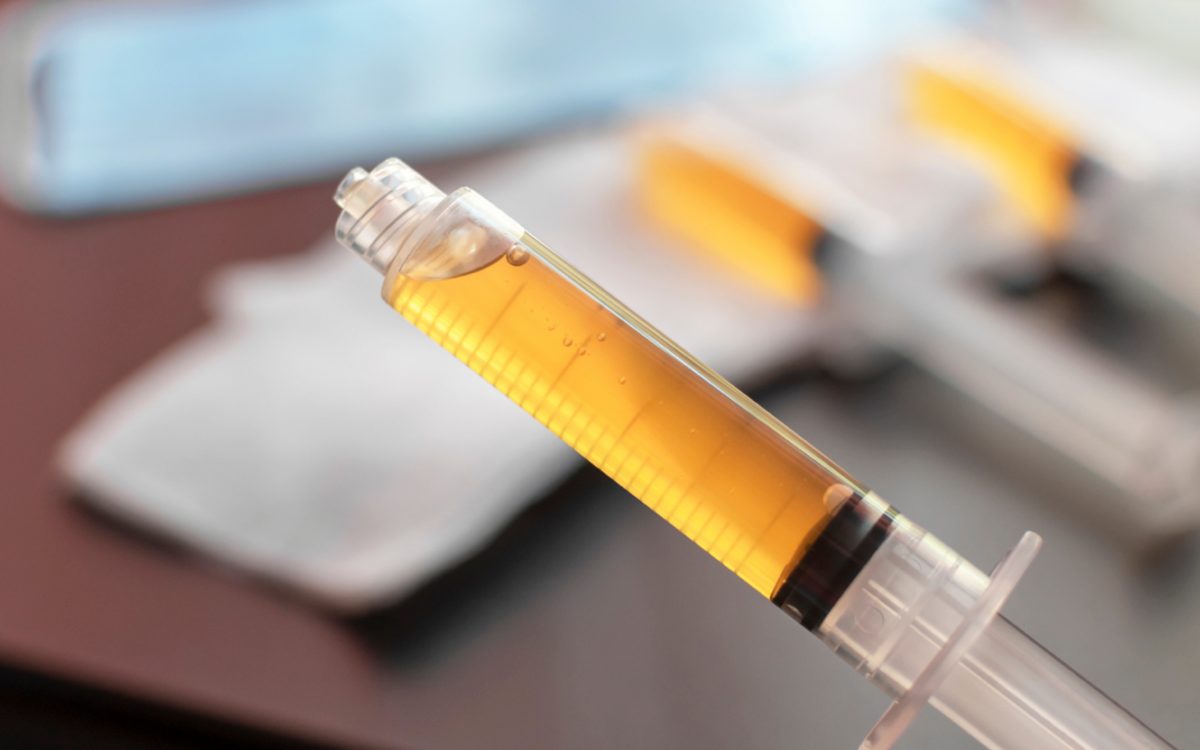
Your blood is spun to concentrate platelets and growth factors at 5–7× normal levels — the active healing signal.
Ultrasound-Guided Injection
Kayla places the PRP precisely at the tendon, ligament, or joint that’s hurt — pinpoint accuracy, not guesswork.
Long-Term Healing
Most patients feel it in 4–6 weeks. Because PRP signals true repair, results often last 5–7 years — not weeks.
If PRP isn’t the right tool, here’s what is
Sometimes PRP is the perfect fit. Sometimes we layer it with stem cells, A2M, or shockwave. Kayla picks the right tool for your case — never one-size-fits-all.
Stem Cell Therapy
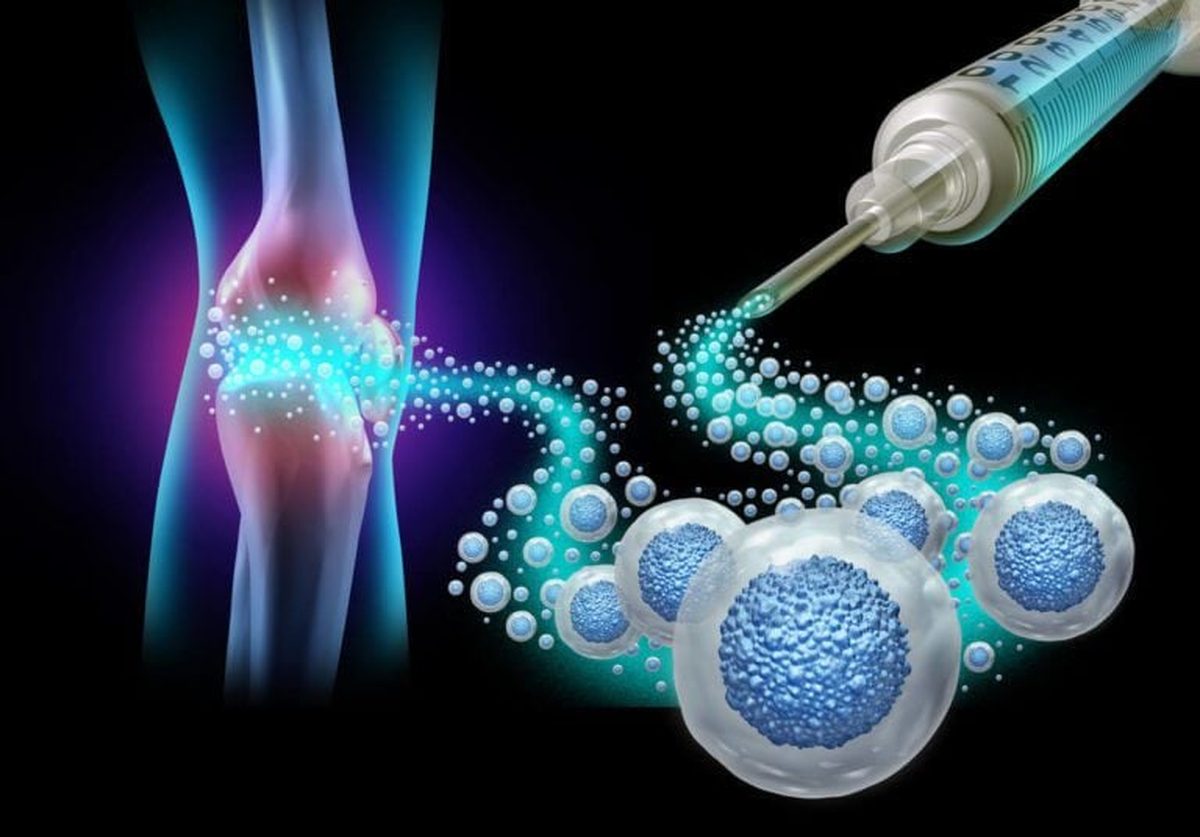
For deeper joint damage where PRP alone may not be enough — Wharton’s Jelly tissue allograft from US-based regulated suppliers.
Learn more →
A2M Therapy
Alpha-2-Macroglobulin — your body’s built-in cartilage-protector. Pairs perfectly with PRP for osteoarthritis.
Learn more →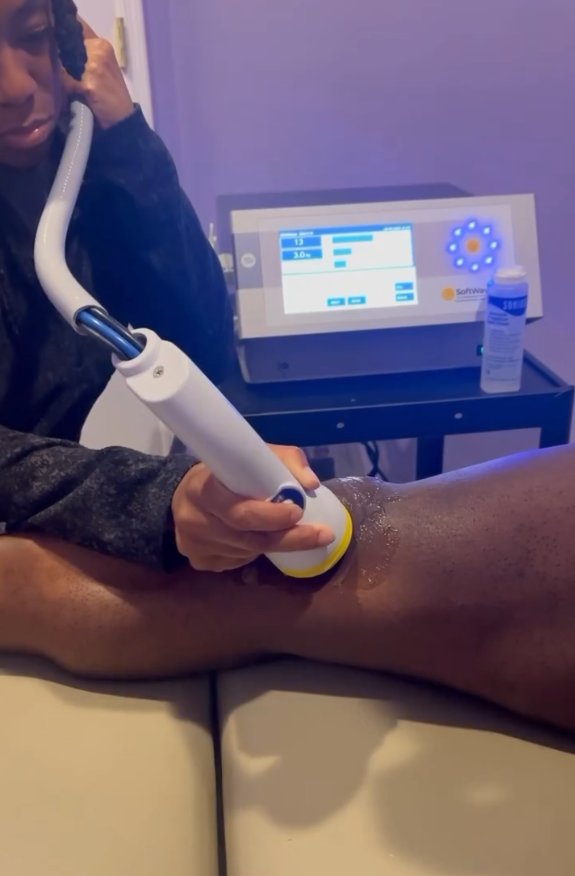
Shockwave (SoftWave)
Acoustic wave therapy that primes the injection site before PRP — bringing fresh blood flow to where the platelets will land.
Learn more →PRP patients travel to North Charleston from across the Southeast
We host travelers from SC, GA, and NC. Out-of-area patients always start with a phone consult — so we can confirm PRP fits before you drive.
Ready to see if PRP fits your case?
Local patients: book a free in-clinic evaluation. Out-of-area patients: start with a 15-minute wellness call. Either way — you’re one step closer to healing without surgery.
Regenerative Medicine Near You — Cities We Serve
Patients drive to our North Charleston clinic from across SC, GA & NC for Stem Cell, PRP, A2M & EBOO therapy.
PRP Therapy — straight answers
The questions tendon, ligament, and joint patients ask us most when they're deciding if PRP is the right next step.
How long does a PRP injection last?
PRP is a healing accelerator, not a numbing agent. Most patients feel meaningful change at 4–6 weeks, peak benefit at 3 months, and durable results that hold for 12–24 months — sometimes years, depending on what we treated and how you load the joint afterwards. We track outcomes at 4, 8, and 12 weeks so we know what's working.
How many PRP sessions will I need?
Acute tendon and ligament cases often respond to a single PRP. Stubborn chronic cases (rotator cuff over a year old, severe tennis elbow, plantar fasciitis that won't quit) usually do best with 2 PRP sessions spaced 4–6 weeks apart. We tell you the realistic number at your consult — no upselling.
Is the PRP injection painful?
The blood draw feels like a normal lab draw. The injection itself is brief; we use buffered PRP and small-gauge needles, and image guidance when the target is deep (rotator cuff, hip labrum). Most patients describe a couple days of "good soreness" afterwards — that's the platelets activating.
Does PRP actually work for rotator cuff, tennis elbow, or plantar fasciitis?
These three are the strongest responders in our clinic. The published literature backs it up too — for partial-thickness rotator cuff tears, chronic lateral epicondylitis (tennis elbow), and recalcitrant plantar fasciitis, PRP outperforms cortisone at 12 months in most head-to-head trials. We'll show you the imaging logic at the consult.
What's the difference between PRP and a cortisone shot?
Cortisone reduces inflammation quickly but does not address the underlying tendon or joint, and repeated cortisone can weaken tissue over time. PRP works differently — it concentrates your own growth factors at the injury site to support the body's natural repair signaling. For specific indications such as chronic lateral epicondylitis and plantar fasciitis, published trials report PRP may offer more durable benefit than cortisone at 12 months. Individual results vary; we'll discuss the evidence specific to your case at consult.nths.
Can I work out the same week as PRP?
Light activity (walking, easy stretching) the same day — yes. Heavy loading on the treated joint or tendon — we ask you to wait 5–10 days so the platelets can do their work without being kicked off the site. We give you a written return-to-load progression based on the joint we treated.